The United States State Department announced on Friday that the fifth round of Lebanon-Israel negotiations in Washington had been extended by one day. This decision came after media reports indicated that the talks failed to bridge a deepening rift over the withdrawal of Israeli forces from southern Lebanon.
Core Dispute: The Yellow Line
Israel's public broadcaster KAN, citing unnamed sources, reported that the main dispute centers on what Israel calls the "Yellow Line" or "Anti-tank Line." This imaginary line, established in April, extends roughly 8 kilometers (5 miles) inside Lebanese territory from the Israeli border. Israel refuses to withdraw from areas within this line and insists on maintaining its presence at the Beaufort Castle hilltop in southern Lebanon.
KAN further reported that Israel is considering a partial and conditional withdrawal from some seized areas. In contrast, Lebanon demands a complete Israeli withdrawal from all villages and towns within the line, including Majdal Zoun, Zibqin, Beit Lif, Tayri, and Kounine.

US Pilot Plan and Disagreements
The Jerusalem Post reported that Washington has proposed a "pilot plan" for parts of southern Lebanon. Under this plan, the Lebanese army would gradually take control of vacated areas and dismantle Hezbollah military infrastructure. However, a major disagreement concerns where implementation should begin. The US and Lebanon support launching the plan in areas currently held by Israeli forces, while Israel wants to first test it in areas where its troops are not deployed "to assess the Lebanese army's ability to prevent Hezbollah activity."
Israeli Leaders' Stance
Israeli Prime Minister Benjamin Netanyahu stated during a conference in Tel Aviv that Israel "will remain there." Defense Minister Israel Katz emphasized that the army will not withdraw from "the security zone" in southern Lebanon "even if the United States demands withdrawal," stressing the need to protect northern Israeli communities.
Yedioth Ahronoth reported that the parties are also discussing a US coordination mechanism to oversee Lebanese army deployment in areas Israeli forces may vacate, as well as a security communication channel between the two sides. Any potential withdrawal would require several days of logistical preparations, the newspaper added.
Military Redeployment
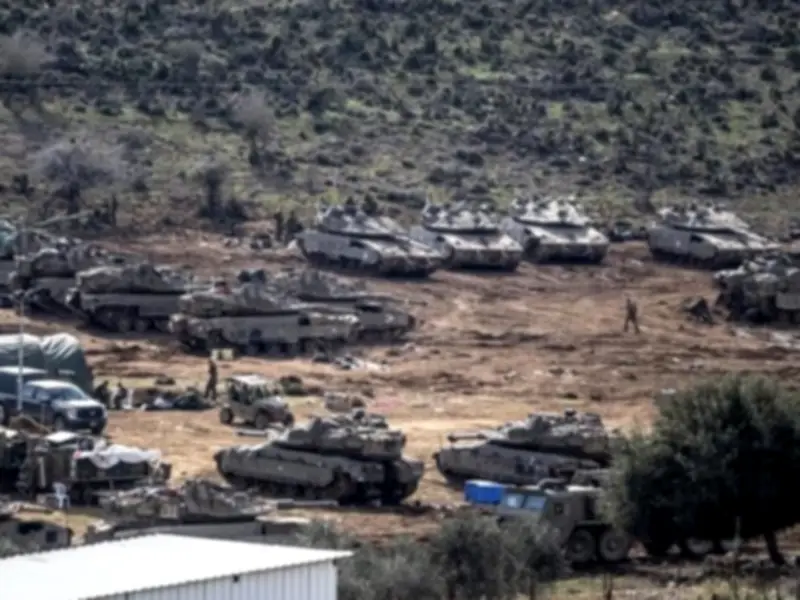
Earlier on Thursday, Israeli Army Radio reported that the military had withdrawn several combat brigades from southern Lebanon as part of a plan "to increase readiness" and conduct training. Army Radio, citing military correspondent Doron Kadosh, said the redeployment is part of a broader plan to reduce combat troops across multiple fronts. Some brigades will remain "on heightened alert" while undergoing training, with reserve forces expected to replace active units if needed.
The reported move coincided with a decline in Israeli attacks amid reports of US pressure on Tel Aviv to reduce military escalation in Lebanon in support of ongoing US-Iran negotiations in Switzerland. On June 18, Washington and Tehran signed a memorandum of understanding and launched negotiations on June 21 aimed at reaching a permanent agreement to end the war initiated by the US and Israel against Iran on February 28. The framework also covers the conflict in Lebanon.
Israel nevertheless continued intensive strikes in the following days before significantly reducing the pace of its attacks since Sunday. There was no comment from Lebanese officials on the reports.
Occupation and Casualties
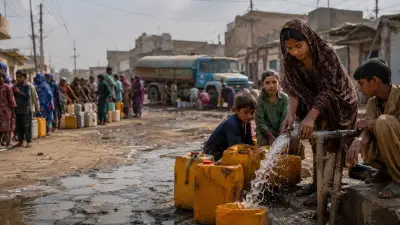
Israel continues to occupy areas in southern Lebanon, some held for decades and others seized during the 2023-2024 war. During its offensive, Israeli forces advanced more than 10 kilometers (6 miles) inside Lebanese territory, their deepest advance since withdrawing from southern Lebanon in 2000. Since launching its offensive on March 2, 2026, Israel's military campaign has displaced more than one million people, according to official Lebanese figures.
Hours earlier on Thursday, Lebanon's Health Ministry said the death toll from the Israeli offensive since March 2 had risen to 4,230, with 12,179 others injured, after recording 38 deaths and eight injuries over the previous 24 hours. The ministry did not specify whether all fatalities occurred during the past day or included bodies recovered from previously bombed areas.