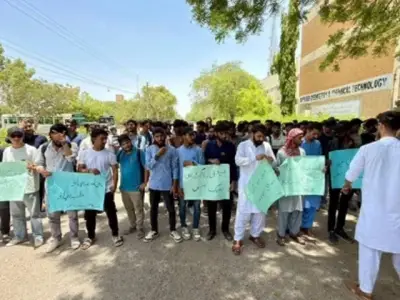
Higher Education Department Considers Staff Rationalization Plan
The Higher Education Department (HED) in Pakistan is actively considering a comprehensive staff rationalization plan aimed at optimizing human resources and enhancing operational efficiency within public universities nationwide. This strategic initiative seeks to address longstanding issues related to staffing imbalances, budgetary constraints, and administrative effectiveness in the higher education sector.
Objectives of the Rationalization Plan
The primary objectives of the staff rationalization plan include streamlining workforce distribution, reducing redundant positions, and reallocating resources to critical academic and research functions. By conducting a thorough assessment of current staffing levels and needs, the HED aims to ensure that public universities operate more efficiently while maintaining high standards of education and research output.
Key aspects of the plan involve:

- Evaluating existing staff-to-student ratios across various departments and faculties.
- Identifying surplus or underutilized positions that could be eliminated or repurposed.
- Implementing measures to improve administrative processes and reduce bureaucratic delays.
- Aligning staffing structures with the evolving demands of modern higher education and technological advancements.
Potential Impacts on Universities
If implemented, the staff rationalization plan could lead to significant changes in how public universities manage their human resources. Universities may experience shifts in staffing patterns, with potential reductions in non-essential roles and increased focus on hiring for specialized academic and technical positions. This move is expected to help institutions better utilize their budgets, potentially freeing up funds for infrastructure development, research grants, and student support services.
However, the plan also raises concerns about job security for existing staff and the need for transparent communication during the transition process. The HED has emphasized that any rationalization efforts will be carried out with careful consideration of legal frameworks and in consultation with relevant stakeholders, including university administrations and employee unions.
Broader Context and Future Steps
This initiative is part of broader efforts to reform Pakistan's higher education system, which has faced challenges such as funding shortages, quality assurance issues, and the need for greater alignment with global educational standards. The HED plans to conduct detailed studies and pilot programs in select universities before rolling out the rationalization plan on a larger scale. Ongoing monitoring and evaluation will be crucial to assess the plan's effectiveness and make necessary adjustments based on feedback and outcomes.
In summary, the Higher Education Department's consideration of staff rationalization represents a proactive step towards enhancing the sustainability and competitiveness of Pakistan's public universities. By optimizing staffing resources, the HED aims to foster a more dynamic and responsive higher education environment that can better serve students and contribute to national development goals.