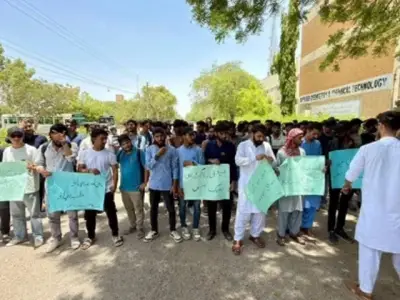
Pakistan's Education System Fails Youth: Skills Gap Threatens Economic Future
Through the columns of this publication, a critical challenge facing Pakistan's youth demands urgent attention: the ever-widening chasm between the nation's traditional education system and the rigorous demands of the modern global economy. Pakistan takes immense pride in its status as one of the world's youngest nations, boasting a significant demographic dividend. However, this potential advantage is rapidly deteriorating into a severe liability, threatening the country's socio-economic stability.
The Crisis of Unemployment and Underemployment
Despite thousands of students graduating from universities and colleges across Pakistan each year, a staggering number remain either unemployed or severely underemployed. This troubling phenomenon is not attributable to a shortage of academic degrees or diplomas. Instead, the core issue lies in a profound deficiency of marketable, practical skills that align with contemporary industry requirements. The current educational curriculum remains excessively theoretical and outdated, heavily reliant on rote memorization while largely ignoring the rapid technological advancements reshaping global workplaces.
Key areas being neglected include artificial intelligence, data analytics, and comprehensive digital literacy—competencies that are now fundamental to securing employment in today's competitive job market. This misalignment has fueled growing frustration among educated youth, leading to an alarming increase in brain drain as talented individuals seek opportunities abroad where their potential can be better utilized and rewarded.

An Urgent Call for Systemic Reform
To effectively address this escalating crisis, a robust and collaborative effort between the Pakistani government and the private sector is imperative. There is a critical need to fundamentally reform mainstream education by integrating vocational training programs and essential digital skills development directly into the national curriculum. The objective must shift from producing rote learners to cultivating innovative problem-solvers and adaptable professionals capable of thriving in a dynamic economic landscape.
Investing in the nation's youth is not merely a social obligation; it is an undeniable economic imperative for Pakistan's sustainable development and future prosperity. Strategic investments in skill-based education and training infrastructure today will yield substantial long-term benefits, including enhanced productivity, reduced unemployment, and a more competitive national workforce.
The Consequences of Inaction
Failure to implement these necessary reforms promptly will have dire consequences. Pakistan risks compromising its entire future by squandering the potential of its largest asset: its young population. Without immediate and decisive action to bridge the skills gap, the country faces the prospect of continued economic stagnation, social unrest fueled by youth disillusionment, and the permanent loss of its brightest minds to international markets. The time for deliberation has passed; the moment for transformative action in Pakistan's education sector is now.