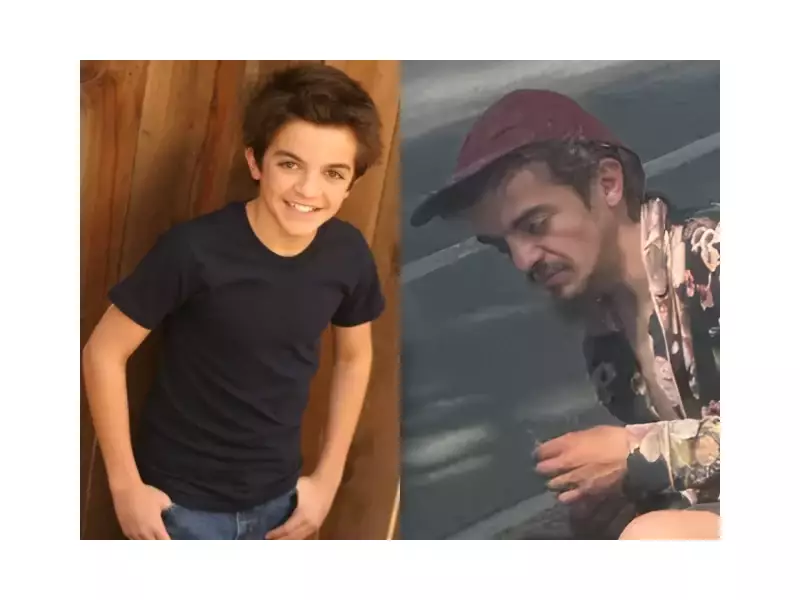
In a distressing turn of events, former Nickelodeon star Tylor Chase has been spotted living on the streets once more, shortly after his release from a psychiatric facility. The actor, best known for his role in the popular teen series 'Zoey 101', continues to face severe personal challenges that have captured public concern.
A Troubled Path After Child Stardom
Tylor Chase, who portrayed the character Mark Del Figgalo on the hit Nickelodeon show, has struggled significantly since his time in the spotlight. Recent reports confirm that the actor was seen in a homeless state in Los Angeles. This sighting comes just after he was discharged from a 5150 psychiatric hold, a legal action in California that allows for an involuntary 72-hour detention of individuals deemed a danger to themselves or others due to mental illness.
The actor's difficulties have been public for some time. In a previous incident, Chase was arrested in 2021 for allegedly making criminal threats. His ongoing battles underscore the darker side of child stardom and the long-term impact it can have on young performers' mental well-being.

The Cycle of Crisis and Release
The sequence of events leading to his current situation is particularly concerning. Chase was reportedly taken into the psychiatric hold for evaluation and treatment. However, upon his release, he seemingly had no stable support system or housing to return to, leading him back to the streets. This cycle highlights critical gaps in the mental healthcare and social support systems, especially for individuals without a strong family or professional network.
Fans of the actor and observers of the entertainment industry have expressed sadness over his plight. His situation serves as a stark reminder of how quickly life can unravel after fame, particularly for those who enter the industry at a young age.
Broader Implications for Mental Health Awareness
The case of Tylor Chase brings several important issues to the forefront. Firstly, it emphasizes the need for sustainable aftercare and reintegration plans following psychiatric treatment. Simply releasing a vulnerable individual without a solid support structure often leads to a recurrence of crisis.
Secondly, it sparks a conversation about the pressures faced by child actors. The transition from a structured, high-profile environment to ordinary life can be jarring and is fraught with psychological risks. Industry advocates have long called for better mental health resources and financial guidance for young performers.
While specific details about Chase's current condition or any ongoing assistance are limited, his story has reignited discussions on:
- The responsibility of networks and production companies towards their young stars.
- The effectiveness of involuntary psychiatric holds and subsequent care.
- The societal challenge of providing long-term support for individuals with chronic mental health issues.
The hope among many is that Tylor Chase finds the help and stability he needs. His journey from a beloved Nickelodeon set to a life of instability is a poignant narrative about fame, mental health, and the fragile nature of well-being.