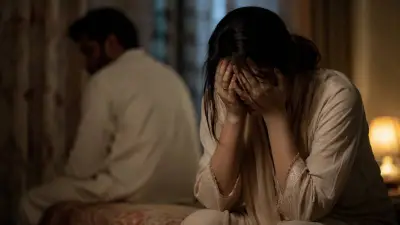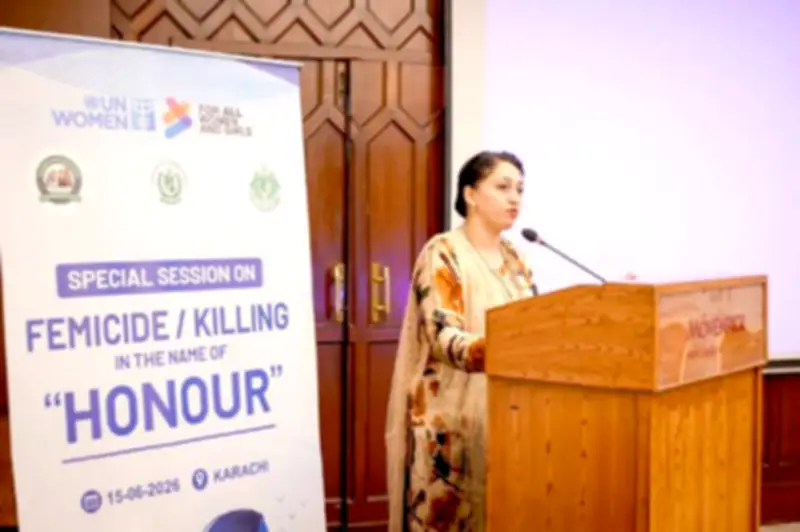
The Ministry of Human Rights and UN Women organized a high-level consultative session in Karachi to address the issue of femicide and the killing of women under the pretext of so-called honour. The event was held in partnership with the Sindh Human Rights Department and the Sindh Commission on the Status of Women. This initiative comes in response to a recent surge in honour killing cases and the government's zero-tolerance policy on violence against women.
Key Participants and Remarks
The consultation brought together representatives from federal and provincial government departments, justice sector institutions, medico-legal services, human rights bodies, civil society organizations, development partners, UN agencies, and women's rights advocates. Discussions focused on priority actions for preventing femicide and other gender-related killings, strengthening accountability, and improving protection and access to justice.
Mr. Rajvir Singh Sodha, Special Assistant to the Chief Minister Sindh on Human Rights, reaffirmed the provincial government's commitment to ending violence against women. He stated: “The Government of Sindh has consistently demonstrated its commitment to protecting the rights of women and girls through progressive legislation, institutional reforms, and partnerships with civil society and development partners. However, laws alone are not enough. We must strengthen implementation, ensure accountability for perpetrators, and foster a culture where violence against women and girls is not tolerated and never justified.”

Ms. Rubina Brohi, Chairperson of the Sindh Commission on the Status of Women, emphasized collective action: “There is no justification for violence committed in the name of so-called honour. We must strengthen implementation of existing laws, ensure accountability for perpetrators, and work together to challenge the harmful norms that continue to put women and girls at risk. Every woman and girl has the right to live with dignity, safety, and equal protection under the law.”
Mr. Abdul Khaliq Sheikh, Secretary of the Ministry of Human Rights, reiterated the Ministry's commitment to coordinated efforts: “Through this consultation and the commitments adopted today, we are reaffirming our resolve to strengthen prevention, improve accountability, and ensure that every woman and girl in Pakistan can live free from violence, fear, and discrimination.”
Ms. Fahmida Iqbal Khan, Deputy Country Representative of UN Women Pakistan, said: “Every femicide is preventable. Ending these killings requires more than criminal justice responses—it requires changing the social norms that enable violence, strengthening institutions, and ensuring that evidence informs policy. Through our support to the National EVAWG Policy and Pakistan's first National Study on Femicide, UN Women remains committed to working with government and civil society partners to prevent these crimes and advance the rights, safety, and dignity of women and girls across Pakistan.”
Data and Trends
Presentations by Mr. Jameel Junejo, Secretary of the Human Rights Department, Government of Sindh, and Dr. Sumaiyya Tariq, Chief Police Surgeon and Head of Medico-Legal Services, Sindh, highlighted trends in reported cases and institutional responses. Data presented showed that 554 honour killing cases were processed and referred to relevant authorities between January 2024 and April 2026. Based on reported cases alone, these figures likely understate the true scale of the problem while highlighting persistent gaps in prevention, reporting, and accountability.
Joint Communiqué
The consultation concluded with the adoption of the “No Honour in Killing” Joint Communiqué. Stakeholders committed to strengthening accountability, improving protection and support services, enhancing data and evidence systems, rejecting parallel justice mechanisms that sanction violence, and investing in prevention through community engagement and social norms change. Participants reaffirmed their shared commitment to ensuring that gender-related killings of women and girls are prevented, prosecuted, and never justified under the guise of so-called honour, and that every woman and girl in Pakistan can live free from violence and discrimination.

About UN Women
UN Women is the United Nations entity dedicated to gender equality and the empowerment of women. It works globally to eliminate discrimination against women and girls, empower women, and achieve equality between women and men.