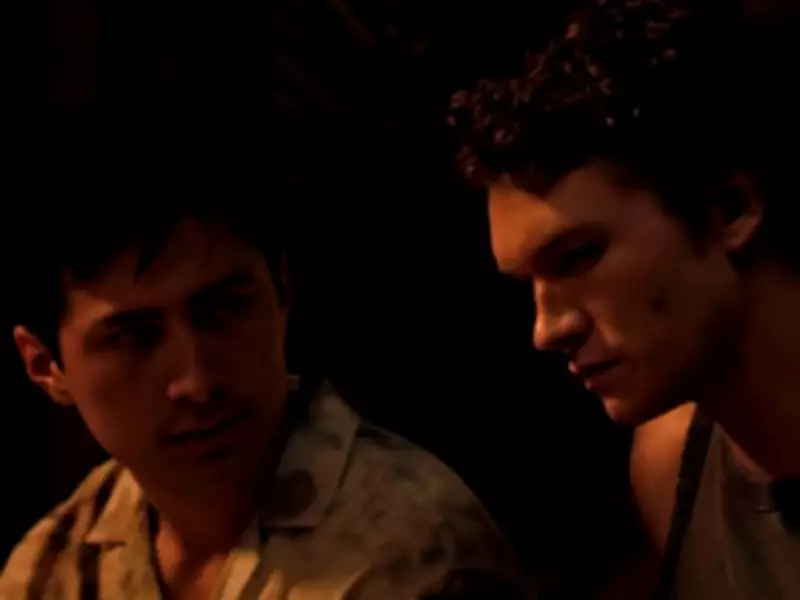
In a surprising turn of events, a heated rivalry has emerged as an underground sensation in Russia, capturing the attention of many despite the nation's stringent anti-LGBTQ crackdown. This phenomenon underscores the complex interplay between cultural expression and political repression in contemporary Russian society.
The Rise of an Underground Sensation
The rivalry, which has gained significant traction through word-of-mouth and discreet online channels, involves two opposing groups or figures whose conflict has resonated with a broad audience. Despite the risks associated with such activities under Russia's anti-LGBTQ laws, the sensation has managed to thrive in clandestine circles, reflecting a growing appetite for alternative narratives and entertainment.
Context of Anti-LGBTQ Crackdown
Russia has implemented a series of harsh measures targeting LGBTQ individuals and communities, including laws that prohibit "propaganda of non-traditional sexual relations." This crackdown has created a climate of fear and censorship, making it challenging for any form of expression perceived as deviating from state-sanctioned norms to flourish openly.

Despite these restrictions, the underground rivalry has found a way to persist, often through encrypted messaging apps and private gatherings. This resilience highlights the enduring human desire for connection and storytelling, even in the face of oppressive regulations.
Cultural and Social Implications
The sensation's popularity raises important questions about the limits of state control over cultural life. It suggests that, while governments can impose laws and crackdowns, they cannot entirely suppress the organic growth of subcultures and rivalries that capture public imagination.
- The rivalry serves as a form of escapism for many Russians, offering a distraction from the political and social pressures of daily life.
- It also acts as a subtle form of resistance, challenging the homogeneity enforced by anti-LGBTQ policies.
- This underground movement could potentially influence broader cultural trends, albeit in a covert manner.
Future Prospects and Challenges
Looking ahead, the future of this underground sensation remains uncertain. Authorities may intensify their crackdown efforts, leading to increased risks for participants. However, the rivalry's ability to adapt and evolve in response to challenges could ensure its continued existence, albeit in more hidden forms.
In conclusion, the heated rivalry becoming an underground sensation in Russia despite the anti-LGBTQ crackdown is a testament to the power of cultural phenomena to thrive under adversity. It reflects broader tensions between state control and individual expression, offering insights into the resilience of human creativity in restrictive environments.