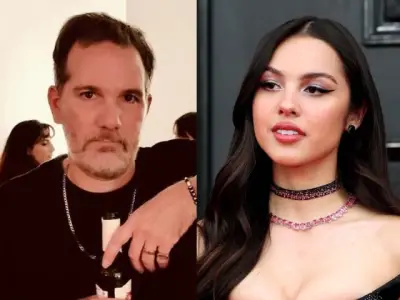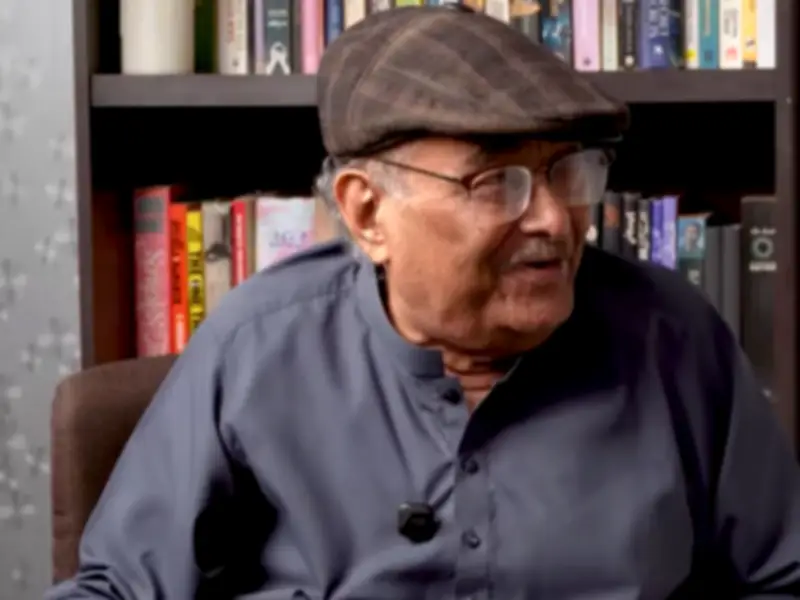
Veteran television director Kazim Pasha has opened up about the hidden realities of Pakistan's entertainment history, revealing that megastar Adnan Siddiqui's demanding behaviour during a serial shoot pushed him to the brink of permanent retirement. In a candid interview, Pasha detailed the extreme pressures of PTV's Golden Era, creative battles with state censors, and psychological tactics used on actors.
Adnan Siddiqui's Demands Almost Ended Pasha's Career
Pasha confessed that Siddiqui's on-set antics during one particular serial were so troubling that he nearly quit production. "Adnan Siddiqui troubled me deeply during one particular serial, and to be honest, I almost quit production after that," Pasha said. He described how a single casting choice escalated into a logistical nightmare, starting with demands for airline tickets. "First, he asked for a ticket for his assistant to travel with him. Then he said his three daughters would come along, making that three more tickets. Finally, he insisted their nanny must come too, bringing it to a total of five extra tickets!" Pasha revealed.
The ballooning demands caused immense stress on set. Co-star Sajid Hasan jokingly questioned the production's budget, saying, "Brother, are you planning to bankrupt us and send us out looking for work?" Pasha replied, "He is an artist, he is the great Adnan Siddiqui, and we have cast him as our hero." The nightmare continued during shooting at actor Aijaz Aslam's bungalow, where Siddiqui's stubbornness disrupted schedules. "He used to trouble me so much that I would literally just leave the set and walk away," Pasha admitted. "He would say things like, 'I am feeling hungry, I am going to eat at that specific place, and until I get back, I won’t start work.' Or he would demand something specific, and if it weren't brought to him, he’d say, 'I won't shoot today.'"

Despite the frustrations, Pasha softened his critique with warmth: "Despite all of this, he has a very deep attachment to my daughters. He is a truly lovely, endearing human being. And through it all, he has never once shown even a shred of disrespect or bad manners toward me. Never."
Casting Women in Conservative Times
Pasha also discussed the immense difficulty of casting women in the late 1970s and 1980s due to deep-seated conservative norms. He detailed the effort required to discover stars like Laila Zuberi and convince their families that the PTV environment was safe and dignified. Once on set, Pasha was known for his "tough love" approach. He shared a legendary anecdote about actress Sadia Imam during a difficult shoot after veteran actor Qurban Jillani had tragically passed away mid-production. Sadia was struggling to deliver an authentic crying scene. "She just wasn't able to cry authentically," Pasha recounted. "I told my staff, 'Keep the cameras ready, I am going downstairs, and then watch the show.' I went down and intentionally created an environment of extreme harshness and anger. When she genuinely broke down from the psychological pressure, I signalled the cameras to roll."
Managing Egos and Technical Challenges
Pasha's uncompromising direction extended to the biggest stars. For his blockbuster serial Kashkol, he took a massive gamble by casting silver-screen icon Syed Kamal in an unconventional TV role, requiring diplomacy to manage the film star's ego within rigid television boundaries. He also applied this rigorous standard to technical filmmaking. Long before CGI and green screens, Pasha directed a high-stakes historical project about the PNS Ghazi submarine, coordinating actual underwater filming and authentic naval sequences, risking his life and state equipment to capture realism.

Industry Decline and Personal Journey
Analysing the industry, Pasha blamed the collapse of Pakistani cinema (Lollywood) on lazy formula filmmaking and a refusal to modernise, which allowed PTV to become the country's primary cultural storyteller. Shifting to his roots, Pasha shared how he accidentally entered media. He was originally a secure white-collar employee at the State Bank of Pakistan. "Back then, television didn't even exist when I started with Radio Pakistan. The base pay we used to get was maybe Rs1 to 15, and checks were made for 15 people at a time to be cashed at the State Bank." Like many contemporaries, Pasha originally wanted to be an actor. However, watching his mentor Qasim Jalali command a set changed his trajectory. "To be honest, most of the directors and producers of my era originally came to become actors. I thought the same initially. But I give full credit to Qasim Jalali sahib. When I watched him work and direct, my passion shifted entirely toward direction."
PTV as a Disciplining Institution
Pasha characterised old PTV as a strict, prestigious university that drilled discipline and flawless language pronunciation into its talent. Beyond dramas, he was a cultural custodian, recalling directing live Qawwali broadcasts featuring the legendary Ghulam Farid Sabri of the Sabri Brothers. One of the most intense segments covered the production of the iconic serial Jangloos. The show’s raw depiction of rural feudalism and societal corruption rattled the highest levels of government. "Jangloos was a mirror to society, and because it hit exactly where it hurt, the National Assembly got involved. There were immense pressures to ban it, but we stood our ground because the truth had to be told." Pasha explained that under strict state censorship, directors used clever subtext, metaphors, and sharp dialogue to expose societal rot without giving censors a legal reason to cut footage.
Praising Modern Talent and Family Legacy
When looking at today's industry, Pasha praised the acting methodologies of stars like Sajid Hasan and Adnan Jilani, who could read between the lines of a script. He also expressed immense pride in his family, crediting his wife as the silent pillar who kept their home running during his gruelling 20-hour shifts, and his daughter Nida Yasir, who has become a titan of modern Pakistani daytime television. Concluding the interview, Pasha reflected: "I am the gardener who planted the seeds, and today, those seeds have become massive, shading trees. To see them thrive is my greatest legacy."