The New Normal: How $1,000+ Concert Tickets Became Standard for Fans
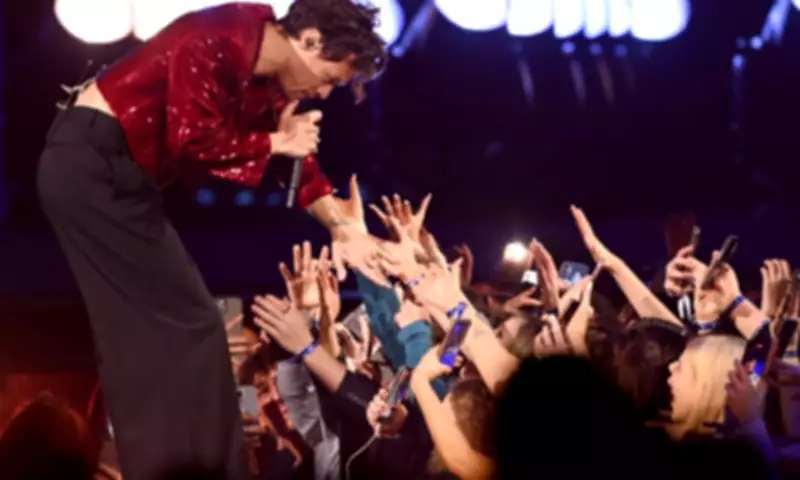
Music enthusiasts are once again voicing their frustrations as attending live concerts transforms from an affordable hobby into a luxury purchase. Followers of global superstars like Harry Styles and BTS report seeing ticket prices exceeding $1,000 for standard seats—and that's when purchasing directly from official sources, not just on resale platforms. The cost of experiencing a live performance has surged dramatically in recent years, leaving many fans questioning when and how this shift became so normalized.
The Pandemic's Lasting Impact on Live Entertainment
The COVID-19 pandemic fundamentally altered the economics of touring. When concerts were shut down for extended periods, the industry lost experienced staff and crew members who couldn't sustain themselves without work. As live events resumed, production costs soared due to increased expenses for crew, supplies, travel, and elaborate stage setups. Loading and unloading equipment for stadium shows became incredibly expensive, and transporting massive productions across countries or oceans added significant financial burdens.
Taylor Mims, a Billboard editor specializing in live entertainment, explains: "The price of touring has gone up substantially, and artists must recoup these costs. When fans are paying premium prices, they expect spectacular shows, which means more rehearsal time and even higher production values."

The Dual Challenge: Official Pricing and Resale Markets
While resellers have long been criticized for buying tickets at face value and marking them up exponentially on secondary markets, the more concerning trend is how official ticket prices now mirror these inflated resale figures. The initial ticket price—set through negotiations between artists, agents, and promoters—has climbed to levels previously seen only in resale markets.
This creates a perfect storm: Artists recognize that fans are willing to pay high prices regardless, so they might as well capture that value directly. If a ticket sells for $200 but resells for $1,000, raising the initial price to $500 reduces reseller profitability while ensuring more revenue goes to the artists and production teams.
Regulatory Responses and Fan Recourse
Across the United States, states are beginning to implement regulations to address what many consider an out-of-control market. California and New York have introduced resale caps that limit how much above face value tickets can be resold—typically to no more than 10 percent. This approach aims to dismantle the lucrative resale market by making it less profitable for professional ticket brokers.
Maine stands as the first state to successfully pass such legislation, with nearly ten other states considering similar measures. "Even just a couple of years ago, you couldn't get these bills discussed due to powerful lobbying against them," notes Mims. "If more states pass these caps, it signals a turning tide."
Is a Breaking Point Approaching?
Industry observers question whether fans will eventually reach a tipping point where they refuse to pay exorbitant prices. Currently, demand remains strong despite rising costs, but the situation continues to worsen rather than stabilize. The success of regulatory efforts may determine whether this trend reverses or at least slows down.
As Mims observes: "We're getting very close to that breaking point. The legislation will tell us where we're at. If fans continue paying these prices without pushback, the market will maintain its current trajectory."
The conversation around concert affordability reflects broader questions about accessibility in live entertainment. While artists deserve fair compensation for their work and rising production costs are real, the balance between profitability and fan accessibility remains precarious. As regulatory efforts gain momentum and fan patience wears thin, the live music industry may need to reconsider its pricing strategies before reaching an unsustainable peak.