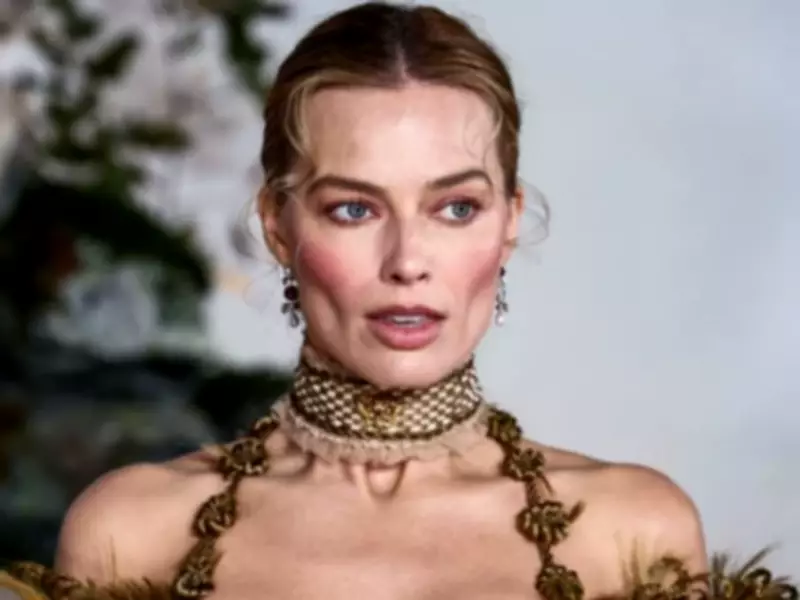
In a recent interview, director Emerald Fennell explained why she decided to cut a scene from her upcoming adaptation of Wuthering Heights that would have shown Margot Robbie with hairy armpits. The scene was intended to highlight the raw and unpolished nature of the characters, but Fennell ultimately felt it didn't fit the tone of the film.
The Director's Rationale
Fennell, known for her work on Promising Young Woman, stated that while the scene was authentic and true to the novel's gritty atmosphere, it risked distracting audiences from the emotional core of the story. She emphasized that her priority was to serve the narrative and the characters' emotional journeys rather than making a statement.
Authenticity vs. Distraction
Robbie, who plays Catherine Earnshaw, was fully on board with the scene, embracing the character's wild and untamed nature. However, after careful consideration, Fennell decided that the hairy armpits might pull viewers out of the story, especially in a period drama where such details are often overlooked. She noted that the decision was not about censorship but about maintaining the film's immersive quality.

- The scene was shot but later removed during editing.
- Fennell described the cut as a creative choice, not a concession to conventional beauty standards.
- Robbie supported the decision, understanding the director's vision.
Reactions and Implications
The news has sparked discussions about authenticity in period films and the portrayal of female characters. Some fans expressed disappointment, arguing that such details add realism. Others praised Fennell for prioritizing the story over shock value. The film is set for release next year, with anticipation high for Fennell's unique take on the classic novel.
This incident highlights the delicate balance directors must strike between historical accuracy and audience expectations. While Wuthering Heights is known for its passionate and untamed characters, Fennell's choice reflects a broader trend in filmmaking where subtlety often trumps overt symbolism.