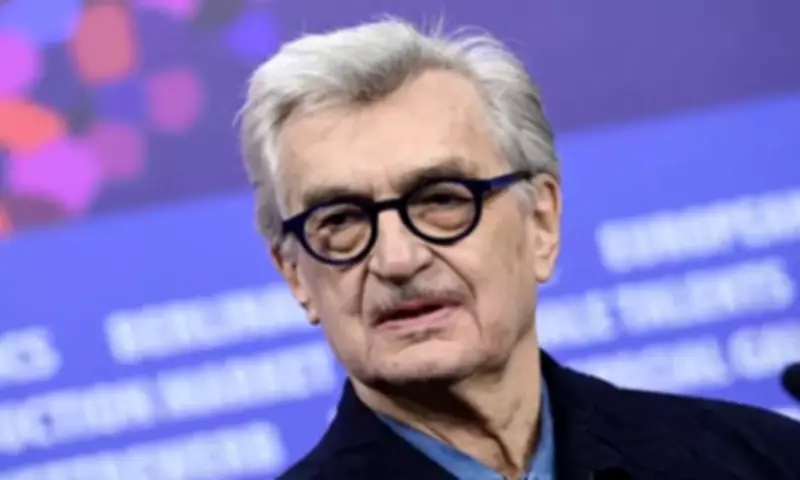
Wim Wenders: Films Transform Society, Not Through Politics, Says Berlin Festival Juror
Renowned German filmmaker Wim Wenders, serving as a juror at the prestigious Berlin International Film Festival, has made a thought-provoking statement about the power of cinema. He asserts that movies possess the unique ability to change the world, but this transformation does not occur through political channels. Instead, Wenders emphasizes that film's true impact lies in its capacity to inspire, connect, and evoke deep emotional responses from audiences globally.
The Role of Cinema in Society
Wenders, known for his influential works in world cinema, argues that while films can address social and political issues, their primary function is not to serve as tools for political change. He believes that cinema operates on a more profound, human level, fostering empathy and understanding across cultures. This perspective challenges the notion that art must be overtly political to effect change, suggesting that subtle, artistic expressions can be equally powerful in shaping societal values and perspectives.
Artistic Expression Over Political Messaging
In his remarks, Wenders highlights the importance of artistic integrity and storytelling in filmmaking. He contends that when movies focus too heavily on political agendas, they risk losing their universal appeal and emotional resonance. By prioritizing creative vision and narrative depth, filmmakers can create works that resonate with diverse audiences, ultimately contributing to a more interconnected and compassionate world. This approach, according to Wenders, is what enables cinema to drive meaningful change without relying on political frameworks.

Implications for the Film Industry
Wenders' insights come at a time when the film industry is increasingly scrutinized for its role in social and political discourse. His views encourage filmmakers to explore themes of humanity, identity, and connection, rather than adhering strictly to political narratives. This could influence future productions, promoting a balance between artistic expression and social commentary. As a respected figure in international cinema, Wenders' perspective is likely to spark discussions among filmmakers, critics, and audiences about the true purpose and potential of movies in today's world.
Conclusion
Wim Wenders' statement at the Berlin Film Festival underscores the transformative power of cinema, rooted in artistic rather than political means. By focusing on storytelling and emotional engagement, films can indeed change the world, fostering global understanding and inspiring positive change. This viewpoint reaffirms the enduring significance of cinema as a medium for cultural exchange and human connection.