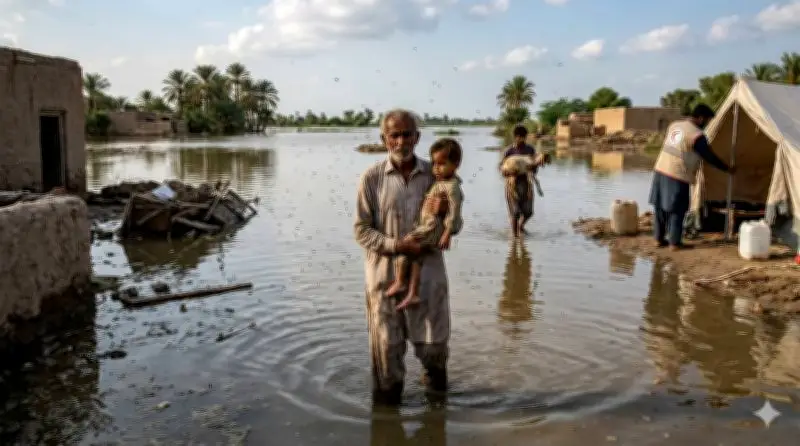
When Pakistan's devastating floods submerged one-third of the country in 2022, the immediate concerns were loss of life, damaged infrastructure, and displaced communities. Yet another crisis quietly emerged in the aftermath: a surge in disease outbreaks. Cases of malaria, dengue fever, and other infectious illnesses increased significantly in flood-affected areas, revealing a growing reality that Pakistan can no longer afford to ignore. Climate change is not only an environmental challenge; it is rapidly becoming a public health emergency.
The Link Between Climate and Disease
For many people, climate change is associated with melting glaciers, rising temperatures, and extreme weather events. While these threats are real, the impact of climate change on human and animal health receives far less attention. Changing climatic conditions are creating favourable environments for disease-causing organisms and the insects that spread them. As temperatures rise and weather patterns become increasingly unpredictable, Pakistan faces the risk of more frequent and widespread disease outbreaks.
Mosquitoes, ticks, and other disease vectors are highly sensitive to environmental conditions. Warmer temperatures and increased humidity can accelerate their breeding cycles and expand their geographical range. Areas that were once relatively safe from certain diseases may now become suitable habitats for disease-carrying insects. This means that diseases previously limited to specific regions could spread into new communities.

Mosquito-Borne Diseases on the Rise
Pakistan has already witnessed repeated outbreaks of mosquito-borne diseases such as dengue fever and malaria. Flooding and heavy rainfall often leave behind stagnant water, creating ideal breeding grounds for mosquitoes. At the same time, rising temperatures can lengthen transmission seasons, allowing disease vectors to remain active for longer periods. The combination of these factors increases the likelihood of outbreaks and places additional pressure on an already-burdened healthcare system.
Impact on Livestock and Rural Economy
The impact of climate change extends beyond human health. Livestock, which are essential to Pakistan's rural economy and food security, are also vulnerable. Heat stress weakens the immune systems of animals, making them more susceptible to infections and parasitic diseases. Changes in temperature and humidity can enhance the survival and transmission of parasites affecting cattle, sheep, goats, horses, and other livestock species. For farming communities that depend on healthy animals for their livelihoods, these health threats can translate into significant economic losses.
Water Quality and Sanitation Challenges
Furthermore, climate change can influence water quality and sanitation. Extreme weather events frequently damage water and sewage infrastructure, increasing the risk of waterborne diseases. Floodwaters often contaminate drinking water sources, exposing communities to harmful pathogens. In rural areas where access to clean water is already limited, climate-related disruptions can have particularly severe consequences.
Unequal Burden on Vulnerable Populations
The burden of these health risks is not distributed equally. Poor and vulnerable populations often suffer the most. Communities with limited access to healthcare, sanitation facilities, and reliable infrastructure are less able to cope with disease outbreaks. Climate change, therefore, has the potential to deepen existing social and economic inequalities. Those who contribute the least to global greenhouse gas emissions are frequently the ones who bear the greatest consequences.
Need for Integrated Climate and Health Policies
Pakistan's response to climate change must move beyond discussions of infrastructure and disaster management alone. Public health preparedness should become a central component of climate adaptation strategies. Strengthening disease surveillance systems, improving early warning mechanisms, and investing in healthcare infrastructure are essential steps. Public awareness campaigns can also help communities understand disease risks and adopt preventive measures.

Scientific research has an equally important role to play. Researchers, universities, and public health institutions must work together to better understand how changing climatic conditions influence disease transmission in Pakistan. Evidence-based policies are essential for protecting both human and animal populations from emerging health threats.
Conclusion
The reality is clear: climate change is reshaping the landscape of disease. The outbreaks of the future will increasingly be influenced by the environmental conditions we create today. Ignoring this connection could leave Pakistan vulnerable to health crises that become more difficult and costly to manage over time. Climate change is no longer a problem for future generations. It is already affecting the health, livelihoods, and well-being of millions of Pakistanis. Recognising the link between climate and disease is the first step towards building a more resilient and healthier future. The question is not whether climate change will affect public health; it is whether we are prepared for the challenges that lie ahead.