UN Reports Over 18,000 New Cases of Chickenpox, Impetigo, and Ectoparasitic Infestation
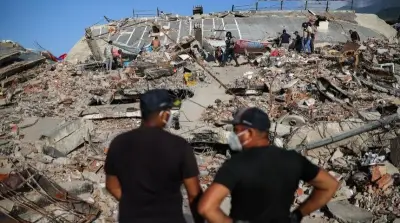
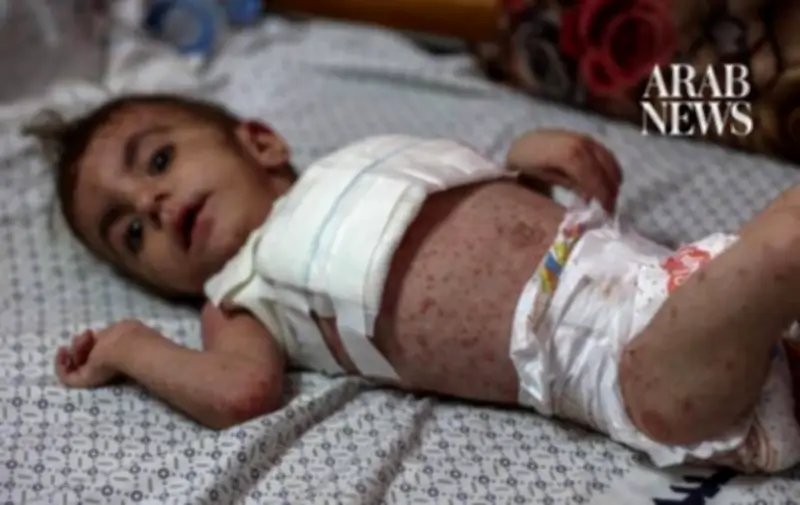
More than 18,000 new cases of chickenpox, ectoparasitic infestation, and impetigo—a bacterial skin infection—were recorded in Gaza last week, UN spokesman Stephane Dujarric said on Friday. Communicable diseases are spreading widely across the besieged enclave, exacerbated by malnutrition and compromised immune systems, especially among children.
Acute Respiratory Illnesses and Skin Diseases Most Common
Dujarric told reporters that acute respiratory illnesses and skin diseases remain the most frequently reported conditions in Gaza. Waterborne diseases are also on the rise, particularly in Khan Younis, he noted. Health officials warned that the delivery of medical services continues to be constrained by shortages or high costs of fuel, generator oil, spare parts, and supplies.
Humanitarian Operations Hampered by Insecurity and Restrictions
The UN’s Office for the Coordination of Humanitarian Affairs (OCHA) says that operations continue to be constrained by insecurity, Israeli access restrictions, and funding shortfalls. Despite these obstacles, humanitarian partners assisted more than 970 families affected by 11 incidents across Gaza, Dujarric said. The incidents included airstrikes, new displacement linked to military activity and movement of the so-called “Yellow Line,” as well as fires in shelters and sewage flooding.

Assistance Provided to Displaced Families
The response included tents, blankets, mattresses, hygiene and dignity kits, jerry cans, tarpaulins, and food assistance, he said. The UN and its partners also continue supporting people facing protracted displacement, a situation affecting almost all of Gaza’s 2.1 million residents.
West Bank: Displacement and Demolitions Continue
In the occupied West Bank, Dujarric said that amid Israeli military operations, settlement expansion, and settler violence, more Palestinians are being displaced, protection risks are increasing, and access to housing, livelihoods, and essential services is becoming ever more restricted. Since the beginning of the month, 67 people have been displaced by demolitions, and two dozen structures have been demolished, including two that were funded by donors as support for people in need, he said. Israeli authorities frequently demolish such structures for lacking building permits, which are nearly impossible for Palestinians to obtain, Dujarric added.
Funding Shortfall for Humanitarian Operations
On funding, Dujarric said that just over one-quarter of the $4.1 billion required for humanitarian operations in the Occupied Palestinian Territories this year has been received.