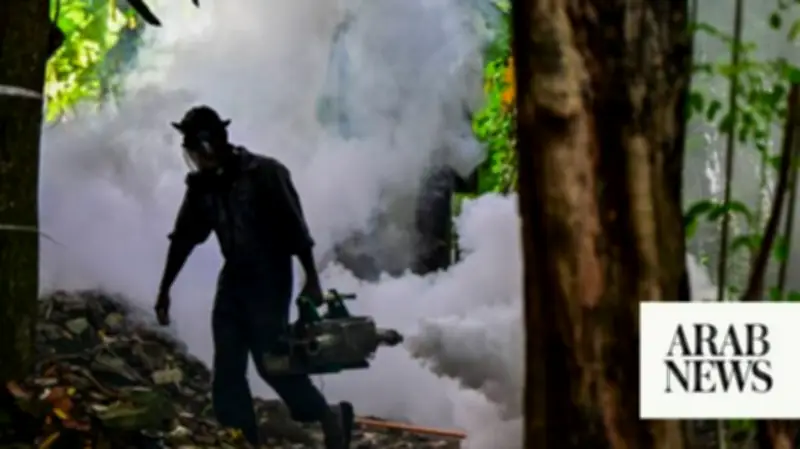
Sri Lanka is deploying military personnel to curb the spread of dengue fever as the country faces a surge in cases, with health authorities warning that hospitals are overwhelmed by over 1,000 admissions daily. President Anura Kumara Dissanayake's office announced that army, navy, and air force officers will join a special unit tasked with identifying and destroying mosquito breeding sites.
Rising Cases and Hospital Strain
Nearly 50,000 dengue cases have been reported in Sri Lanka this year, resulting in 29 deaths. While this is below the 2017 peak of 186,000 cases and 440 deaths, the recent spike has raised alarms. According to official data, over 1,000 cases were reported in a single day this week. The government's dengue unit expressed fears that both state and private hospitals may not cope with a further increase. “Hospitals are already under pressure,” said Kapila Kannangara, head of the dengue unit, in a press briefing in Colombo. “We don’t want to have a situation like the one we faced in 2017.”
Military Intervention and Legal Measures
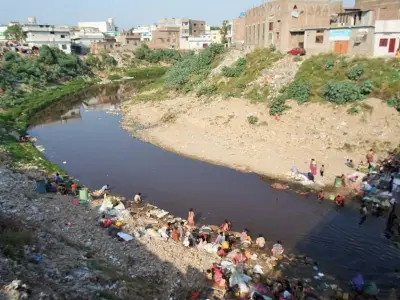
The president's office stated that “laws will also be strictly enforced against those allowing mosquito breeding on their premises, in addition to setting up the special military unit.” A nationwide cleanup campaign targeting breeding sites will commence on Wednesday. The Aedes mosquito, identifiable by its black and white striped legs, breeds in stagnant pools, which have proliferated due to monsoon rains, recent flooding, and haphazard waste disposal.

Climate Change and Dengue Spread
The World Health Organization has warned that dengue and other mosquito-borne viruses are spreading faster and further due to climate change. Dengue causes high fevers, headaches, nausea, vomiting, muscle pain, and in severe cases, bleeding that can lead to death. Sri Lanka's current outbreak underscores the growing challenge posed by vector-borne diseases in a warming world.