The United Nations has warned that ongoing conflicts involving Pakistan and Iran are preventing life-saving food aid from reaching a million additional malnourished children in Afghanistan. Carl Skau, Deputy Executive Director of the World Food Programme (WFP), stated that the border closure with Pakistan and the economic fallout from the Iran war have inflated prices and disrupted supply chains.
Record malnutrition in Afghanistan
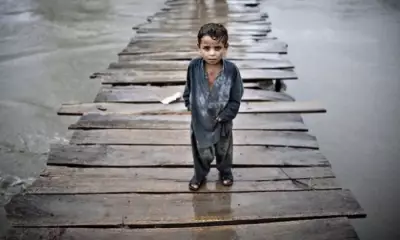
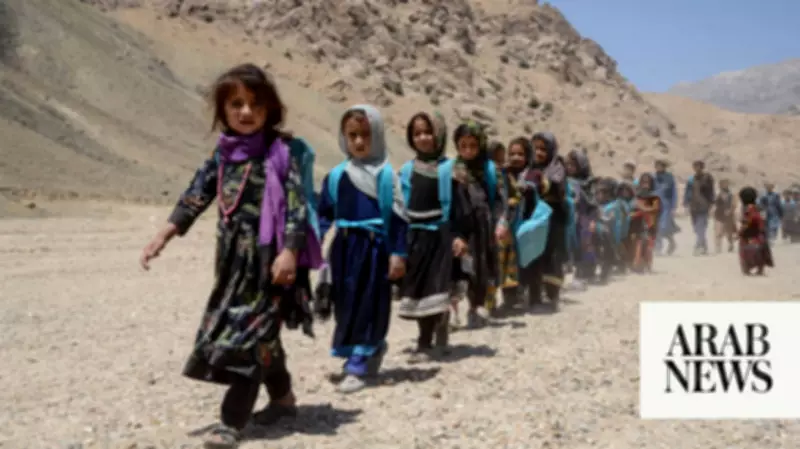
Afghanistan saw a record increase in malnutrition cases in 2025, driven by a deadly earthquake, climate disasters, and the return of millions of Afghans expelled from Iran and Pakistan. The WFP estimates that five million women and children in Afghanistan will face life-threatening malnutrition this year.
Border closure and supply chain disruptions
The near-total closure of the Pakistan-Afghanistan border for around eight months, combined with the global economic impact of the Iran war, has driven up food and fuel prices. Skau noted that if supply chains were not struggling, the WFP could feed a million more children.

He cited an example of fortified biscuits for schoolchildren that were rerouted via Dubai and Iran after the Pakistan border closure, only to be forced through a longer route via seven countries due to the Middle East conflict. The shipment took months and cost significantly more.
Funding shortfall
The WFP has raised only eight percent of its funding target for Afghanistan this year. Skau described visiting a rural clinic where women with severely malnourished children were turned away due to lack of assistance. He emphasized that children should not die from hunger, calling for global cooperation.