The head of the United Nations nuclear watchdog has issued a stark warning that a direct attack on the Barakah nuclear power plant in the United Arab Emirates could result in severe radioactive consequences. Speaking during an emergency session of the UN Security Council convened after a recent drone strike targeted the facility, International Atomic Energy Agency (IAEA) Director General Rafael Grossi described the situation as highly alarming.
Grossi's Warning to the Security Council
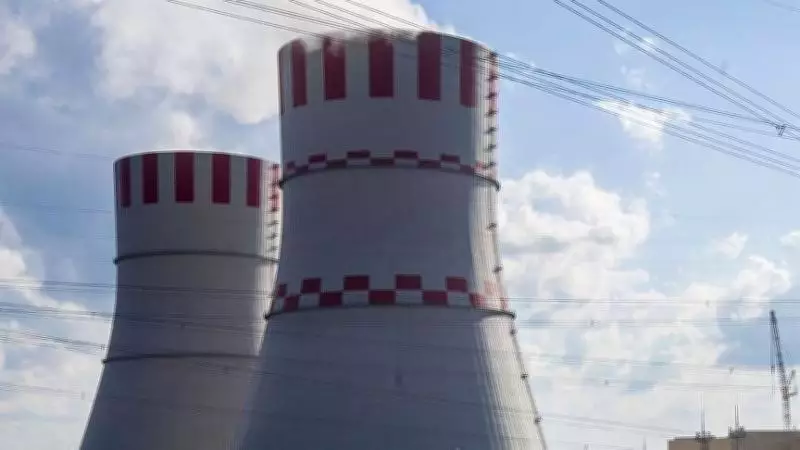
Grossi emphasized that the Barakah plant, located in the Abu Dhabi Emirate approximately 300 kilometers from the capital, is an operating nuclear facility containing thousands of kilograms of nuclear material, including both fresh and spent fuel. “This is a nuclear site in the Middle East, where the consequences of an attack could be most serious,” he stated. He further noted that a direct hit on the plant could lead to a very high release of radioactivity into the environment.
Potential Risks from Power Supply Damage
Grossi also highlighted that damage to external power supply lines could pose serious risks, potentially leading to reactor core damage. He warned that both scenarios would necessitate emergency protective measures, such as evacuations, sheltering, and the use of stable iodine, over distances extending to several hundred kilometers.

Background of the Incident
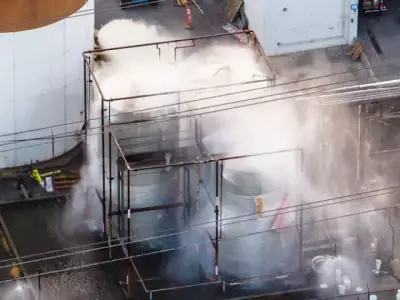
On Sunday, UAE officials reported that a fire broke out near the Barakah power plant as a result of a drone strike. This incident occurs against a backdrop of heightened regional tensions following US and Israeli strikes against Iran in February. In retaliation, Tehran launched strikes targeting Israel and US allies in the Gulf, including the UAE, and also closed the Strait of Hormuz.
Ceasefire Efforts
A ceasefire was established on April 8 through Pakistani mediation, but subsequent talks in Islamabad failed to produce a lasting agreement. US President Donald Trump later extended the truce indefinitely. The situation remains fragile, with the international community closely monitoring developments.