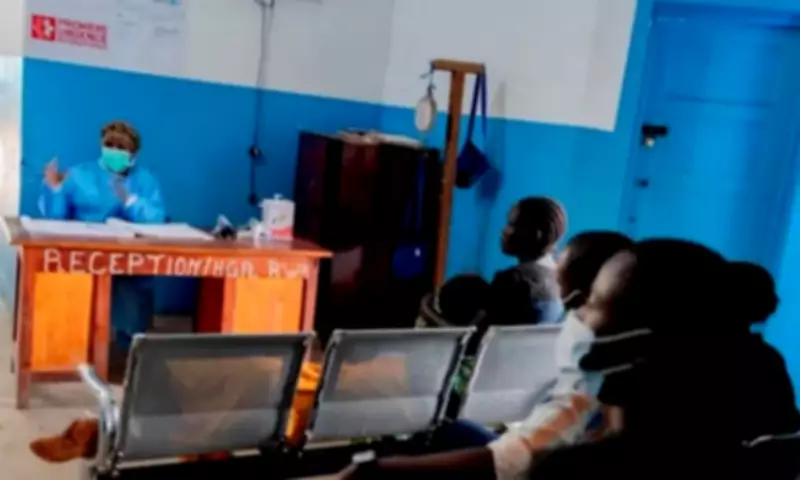
The World Health Organization (WHO) has released a new assessment regarding the Ebola outbreak, stating that the risk remains high at the regional level but low globally. This evaluation comes as health authorities continue to monitor and contain the spread of the virus in affected areas.
Regional Impact and Concerns
According to the WHO, the risk is particularly elevated in neighboring countries and regions where healthcare infrastructure may be less equipped to handle a potential surge in cases. The organization emphasizes the need for heightened surveillance and rapid response mechanisms in these areas to prevent further transmission.
The statement highlights that while the immediate danger to the global population is minimal, the situation requires sustained international attention and support. The WHO has urged countries to remain vigilant and maintain preparedness measures.

Global Perspective
On a worldwide scale, the WHO assesses the risk of widespread transmission as low, citing effective containment strategies and previous experiences with Ebola outbreaks. The organization credits early detection and isolation of cases, along with contact tracing, as key factors in limiting the outbreak's reach.
However, the WHO warns that complacency could lead to a resurgence, and it continues to recommend that travelers from affected regions undergo health screenings and follow guidelines to minimize any potential spread.
Response and Recommendations
The WHO has outlined several recommendations for national health authorities, including strengthening surveillance systems, ensuring adequate stockpiles of medical supplies, and training healthcare workers in infection prevention and control. Public health campaigns are also advised to educate communities about symptoms and preventive measures.
The organization reaffirms its commitment to supporting affected countries and coordinating with international partners to contain the outbreak and protect public health.