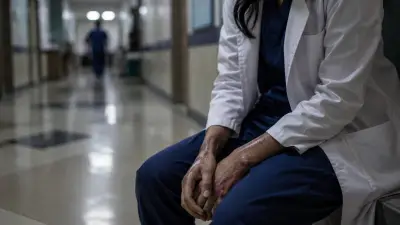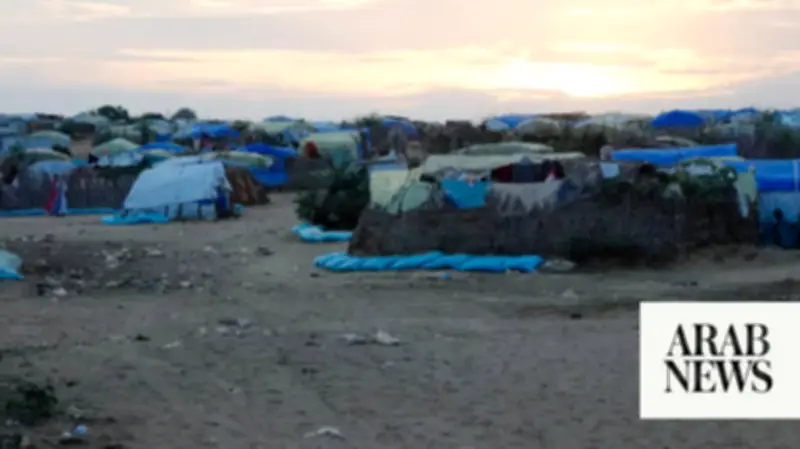
The international aid group Doctors Without Borders (MSF) has uncovered a pattern of abuse and sexual exploitation by some local and foreign staff working in Chad along the Sudanese border, according to a confidential internal memo obtained by The Associated Press. The report, completed in July and first reported Saturday, details 59 allegations of misconduct, including cases targeting underage girls and trading food or jobs for sex with refugees.
Investigation Findings
The MSF report found that 18 staff members were dismissed and barred from future employment. In some instances, allegations could not be verified or perpetrators identified. The memo also suggests that repeated exploitation may indicate potentially organized sexual trafficking. The organization launched the monthslong investigation in response to AP reporting that women had accused staff of sexual exploitation in displacement sites in Chad, where hundreds of thousands have fled Sudan's devastating civil war.
Scope of Abuse
The findings indicate the abuse was more widespread than previously reported. Sexual exploitation has repeatedly surfaced during humanitarian crises despite years of prevention efforts. In cases AP found in 2024, women said humanitarians and local security forces offered money, easier access to assistance, and jobs in exchange for sex. Such exploitation is a crime in Chad.

MSF noted that the cases in Chad stand out because the organization had allocated extra resources to combat abuse. However, the memo acknowledges that the findings likely only scratch the surface, as many women were hesitant to speak openly.
Types of Misconduct
The 59 allegations ranged from sexual harassment to exploitation and abuse. MSF called it a serious breach of its values and responsibilities. The report detailed several types of abuse:
- Sexual exploitation of female refugees in exchange for food, water, and milk.
- Sex in exchange for jobs.
- Prostitution of female refugees, including underage girls.
- Staff seen searching for girls in refugee camp blocks.
- Community leaders imposing curfews to prevent young girls from visiting MSF staff.
Incident Examples
In one incident, seven refugee girls hired as daily workers were put into an MSF vehicle, allegedly for water distribution and construction sites, but were taken elsewhere and exposed to sexual abuse. Some female Chadian staff were threatened with losing their jobs if they refused sex with supervisors.
Barriers to Reporting
Women often remained silent, fearing jeopardized access to care. Some did not know they had the right to speak up. MSF staff and community leaders feared reporting abuse due to potential job loss or loss of assistance. Half a dozen community leaders said even though their daughters or sisters were victims, they chose not to report to MSF. Some who spoke up received no follow-up, and feedback mechanisms like complaint boxes were largely ineffective.
Prior Awareness and Recommendations
MSF was unaware of most cases before AP's reporting. Despite training in 2023, efforts had no lasting impact due to high staff turnover. The urgent need for personnel and absence of reference checks led to hiring individuals with a history of misconduct. As a result, 18 staff were classified as Do Not Hire, but no system exists to share these names locally, allowing them to work elsewhere.
The report recommends clear communication of expected behavior, serious reference checks, and a single database for Do Not Hire staff. MSF acknowledged similar allegations during the 2021 Ebola outbreak in Congo and in West Africa in 2002, but little had changed. The memo states: A rather similar diagnosis and recommendations were made in 2021, yet this led to no significant change.