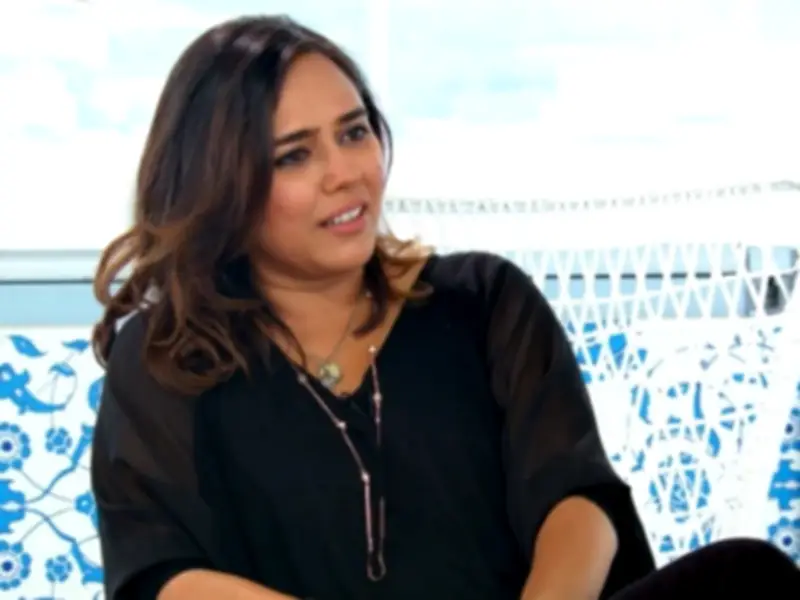
Director Mehreen Jabbar has asserted that political and commercial factors, rather than content quality, are the primary barriers preventing Pakistani television dramas and films from being picked up by major global streaming platforms such as Netflix, Prime Video, and HBO. Speaking on a recent talk show, Jabbar explained that decisions made by these platforms are shaped by regional politics and market size.
Politics Over Quality
When asked why Pakistan has not established a strong footprint on international streaming services despite significant technical and creative growth in the local industry, Jabbar responded bluntly. “I think the main thing everyone knows is that it's politics,” she said. She elaborated that the head offices of these platforms are located in neighboring countries with much larger populations and subscriber bases. “That market is still developing here; a lot of people don't pay to subscribe to Netflix or Amazon Prime. So these companies go where it's financially beneficial for them.”
Hope for the Future
Despite the current obstacles, Jabbar expressed optimism. “I hope this changes,” she said. “Hopefully, our first show will come on Netflix next year, and that's when I hope the doors will open.” She believes that once a Pakistani production secures a spot on a major platform, it will pave the way for more content to follow.

Turkish Drama Competition
The conversation also touched on the government's decision to remove the foreign drama tax on Turkish content, which some in the industry fear could harm local productions. Jabbar dismissed these concerns, noting that Turkish dramas are no longer as popular as they once were. “Turkish dramas used to be very popular, but if you notice, hardly anyone talks about them anymore, because our own industry has grown so much,” she said. “In the last two or three years especially, our industry has really taken off among the diaspora and South Asian audiences, so I don't think we face that threat.” She added, “Personally, I think competition is a healthy thing. When there's competition, you focus on improving yourself.”
Criticism and Pacing
Jabbar also responded to recent criticism from writer Dr. Yunus Butt, who called out her directorial pacing and described her style, along with actor Shuja's performance, as slow. She took the critique in stride. “Honestly, this is their opinion, and good for them,” she said. “I've never really been the type to respond to statements like that. It's their opinion, the way critics have theirs and audiences have theirs. That's what freedom of speech and freedom of thought mean. You liked it, or you didn't, that's okay. We can't please everyone.”
Censorship and Responsibility
Having served on the Censor Board herself, Jabbar acknowledged the delicate balance broadcasters must maintain. She explained that channels must use their own judgment about what fits their audience and internal policy, a responsibility she takes seriously, even though she personally leans away from restrictive censorship.
Delayed Payments and Lack of Unionisation
Jabbar did not hold back on the industry's persistent issue of delayed payments. She described a chain of blame where production houses blame channels, channels blame advertisers, and advertisers blame vendors and retailers. The brunt often falls on makeup artists, electricians, and crew members. “Unfortunately, I've said this many times; it feels like I'm on a repeat record,” she said. “It really comes down to figuring out where and at what point it needs to be fixed. Project management isn't proper in our industry, and I honestly don't know when that will change.”
She also pointed to a lack of effective unionisation as part of the problem. “I think the real issue is that people don't unionise,” she said. “Unions exist, but they have no real power, because there's no unity behind them.”

Strong Female Characters
On a more positive note, Jabbar rejected the notion that Pakistani dramas are only now becoming progressive in their portrayal of women. She recalled that in the 1990s and 2000s, her plays frequently featured strong female characters. “At one point, we were influenced by a certain kind of Indian soap opera, but now we're coming back to our own history. We've always had so many strong female characters, going back to the classic PTV plays, and you'll find them full of strong women. So it's not like this is happening for the first time. It's always been there. We're just coming back to it.”
For Mehreen Jabbar, the narrative of Pakistani television is not one of catching up but of returning to strengths the industry has always possessed, while waiting for the world to take notice.