ISLAMABAD: Prime Minister Shehbaz Sharif on Thursday directed authorities to launch a pilot project in Islamabad for a proposed automated income tax system, as part of wide-ranging reforms aimed at modernising the Federal Board of Revenue (FBR) and increasing tax compliance.
Review Meeting on FBR Reforms
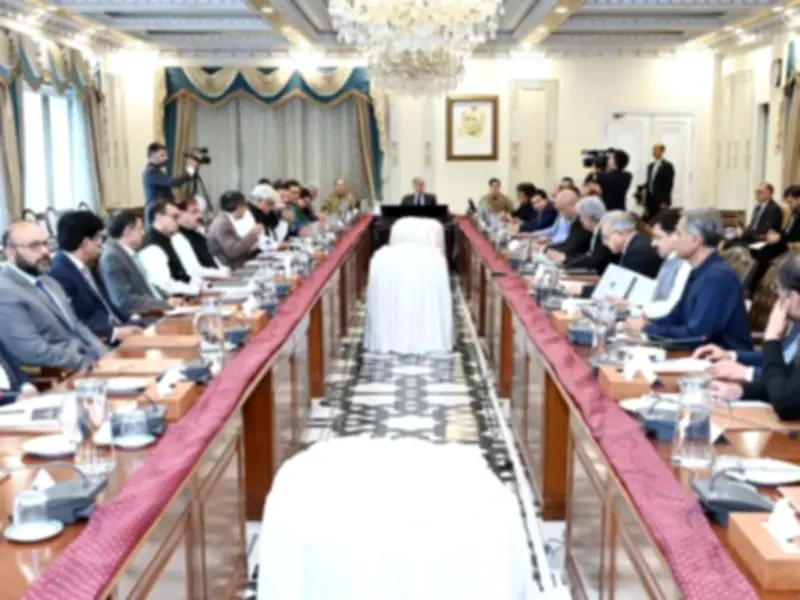
Chairing a review meeting on FBR reforms, the prime minister was briefed on a comprehensive plan to transform tax administration through digitalisation, automation, and the use of artificial intelligence, with a focus on reducing human involvement and discretionary decision-making. According to a statement by the Prime Minister's Office (PMO), the proposed system would utilise data from property records, vehicle registrations, and bank accounts to identify instances of under-reported income and assets. The system is designed to strengthen enforcement by improving data integration across government databases.
Pilot Project Details
The meeting's members informed that the pilot project for the proposed automated income tax system would be launched in Islamabad, serving as a test case for wider rollout across the country if successful. Furthermore, artificial intelligence and other technologies would be utilised to further automate and streamline tax administration, with officials describing the plan as a shift towards a "modern, efficient and faceless" tax regime.

New Institutional Structures
Plans under consideration also include the establishment of three new institutional structures: a National Faceless Audit Wing, a National Assessment Wing, and a Field Operations Wing. Officials said the proposed model would separate audit, assessment, and enforcement functions while increasing reliance on automated systems to detect discrepancies and initiate action.
Prime Minister's Remarks
The prime minister said the use of modern technology to develop an automated and efficient tax management system would be a "milestone" in the government's reform agenda. He added that reducing human intervention and discretionary powers in tax collection was a critical need of the time. PM Shehbaz hoped that the reforms would not only increase revenues but also promote transparency, fairness, and public trust in the tax system.
The prime minister also reaffirmed that efforts to document the economy and expand the tax net would continue as part of the broader FBR reform process. Officials briefed the meeting's participants that enforcement actions against the illegal cigarette sector were expected to generate an additional Rs40 billion in tax revenue this year. The prime minister also appreciated provincial governments for their actions against the illegal cigarette trade.
National Tariff Policy
Prime Minister Shehbaz Sharif directed the authorities concerned to ensure effective implementation of the National Tariff Policy (NTP) 2025-30 and modernize tariff-related institutions to facilitate investment, trade and industrial development. Chairing a high-level review meeting on the overall growth of the economy and the implementation of the National Tariff Policy 2025-30, the prime minister said achieving export-oriented development targets remained the government's foremost priority, a Prime Minister's Office news release said.
Prime Minister Shehbaz Sharif emphasized that an active and transparent National Tariff Commission was indispensable for promoting industry, trade and investment in the country. He instructed the commission to play a proactive role in facilitating investors and industrialists and called for institutional reforms based on international best practices.