UK Prime Minister Keir Starmer Confronts Parliament Over Mandelson Vetting Scandal
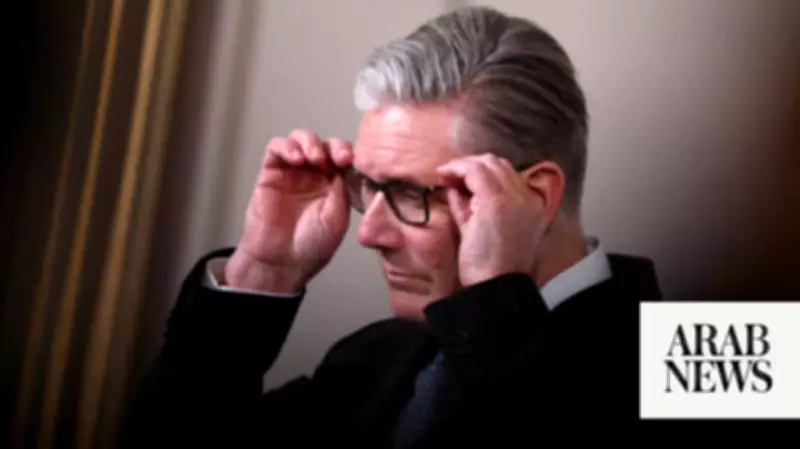
British Prime Minister Keir Starmer faced intense scrutiny in parliament on Monday, addressing mounting calls for his resignation following revelations that senior Labour party veteran Peter Mandelson had failed a security vetting process before being appointed as ambassador to the United States. The controversy has plunged Starmer's government into a deep crisis, with opponents accusing him of lying and incompetence.
Mandelson's Appointment and Subsequent Fallout
Peter Mandelson, 72, was appointed as the UK's ambassador to the US in February 2025, but was sacked in September after disclosures about his extensive ties to the late American sex offender Jeffrey Epstein. Starmer has publicly apologized for the initial appointment, describing it as a grave error. However, the situation escalated dramatically last week when the government revealed that Mandelson had actually failed a security vetting process conducted prior to his assumption of the diplomatic role.
This revelation has heaped immense pressure on Starmer, whose popularity has significantly declined since he led Labour to a substantial majority in the 2024 national election. The Prime Minister had previously assured parliament that all due processes were meticulously followed regarding Mandelson's appointment, making the recent disclosure particularly damaging to his credibility.

Government Response and Internal Consequences
Starmer has expressed outrage that he was not informed about Mandelson's vetting failure until last week, calling the oversight unforgivable. In response to the scandal, top foreign ministry official Olly Robbins was dismissed from his position. Starmer pledged to present all relevant facts to lawmakers during Monday's parliamentary session, while Robbins is scheduled to testify before a parliamentary committee on Tuesday.
The timing of this scandal could not be worse for the Labour government, coming just three weeks before local elections where the party is anticipated to suffer substantial losses. The resurgence of the Mandelson affair has raised serious questions about Starmer's leadership and control over his administration, although no senior Labour lawmakers have yet publicly demanded his resignation.
Political Opposition and Criticism
Opposition leaders have launched scathing attacks on Starmer's handling of the situation. Liberal Democrats leader Ed Davey accused the Prime Minister of demonstrating catastrophic misjudgment, while Conservative Party leader Kemi Badenoch characterized his actions as recklessly negligent at best.
In an open letter circulated on Sunday, Badenoch wrote: This has been a tawdry and shaming affair for you and your party, and for this country. Not only have you damaged our relationship with the United States and insulted the victims of the paedophile Jeffrey Epstein, but you have also undermined our national security by giving the highest diplomatic post to an individual that the security services found to be of high concern.
Government Defense and Future Implications
Despite the fierce criticism, some government ministers have rallied behind Starmer. Deputy Prime Minister David Lammy and Technology Minister Liz Kendall both asserted over the weekend that Starmer would never have permitted Mandelson to assume the ambassadorial position had he been aware of the vetting failure.
When questioned about whether Starmer would lead Labour into the next national election, Scotland Minister Douglas Alexander responded: I think he will lead, and I think he should. However, Alexander acknowledged to Sky News that there are rightfully and reasonably important questions that need to be answered today, reflecting the gravity of the situation facing the Prime Minister.
The Mandelson vetting scandal represents one of the most significant challenges to Starmer's premiership to date, testing his political survival skills as he navigates parliamentary scrutiny, opposition attacks, and diminishing public confidence in his leadership.