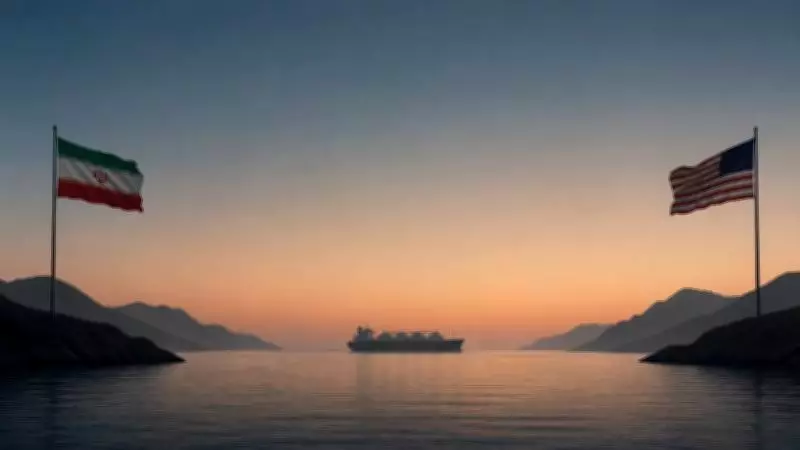
The 47-year hostility between Iran and the United States has taken a perilous turn. After 40 days of relentless bombing by the US and Israel, a fragile ceasefire was reached three weeks ago, but efforts to resume a second round of dialogue between Tehran and Washington have failed. The blockade of the Strait of Hormuz—first by Iran and then by the US—has unleashed a severe global crisis in fuel, food, and fertiliser, exposing the fragility of the world order.
Global Impact of the Strait of Hormuz Blockade
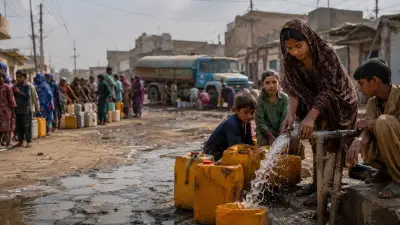
The closure of the Strait of Hormuz has halted nearly 20% of the global oil and gas supply, triggering a serious food and fertiliser crisis that primarily affects underdeveloped nations. Neither the United Nations nor other international organisations or major powers have been able to unblock the strait. Iran has made it clear that it will not enter negotiations with the US until the blockade is lifted. US President Donald Trump remains adamant about keeping the strait blocked to cripple Iran's economy.
Iran's Resilience and US Objectives
Despite 40 days of US-Israeli attacks, Iran has not conceded to the core objectives of regime change, dismantling of its nuclear and missile programme, or ending support for its allies like Hezbollah and the Houthis. Iran responded by targeting pro-American allies in the Gulf—UAE, Saudi Arabia, Kuwait—and then blocking the Strait. The failure of the proposed second round of US-Iran talks in Islamabad reflects an enormous trust deficit.

Diplomacy, statesmanship, and abandonment of ego are essential to manage the crisis and reopen the Strait. Pakistan facilitated and mediated direct talks between the two adversaries for the first time in 47 years, but efforts by Islamabad, supported by Saudi Arabia, Qatar, Turkey, and Egypt, failed to produce flexibility. The implications of the standoff are severe: global prices of fuel, gas, food, and fertiliser have surged, threatening millions. Powerful actors exploit the closure for economic gain.
International Disorder and Lack of Authority
The inability of the UN and global stakeholders to prevent the Strait's closure highlights international disorder. Had Iran joined the second round of talks, it could have pressured the US to lift the blockade and respect its sovereignty. However, Iran's boycott aggravated the crisis. The deepening crisis must be analysed from three angles:
- Failure of US-Israeli objectives: Neither regime change nor dismantling of Iran's nuclear-missile programme was achieved. Trump's rhetoric further aggravated tensions. Despite spending over $25 billion, the US failed, and Trump falsely claimed victory. Iran challenged American power perception.
- Dangerous impasse: Israel pushes the US to resume attacks. If the ceasefire ends, Iran's reorganised capabilities could effectively counter another assault. US Congress and public opinion should prevent further hostilities. Diplomacy and a win-win approach are crucial.
- Nuclear implications: The US attacked Iran while nuclear talks were ongoing. If Iran withdraws from the NPT and conducts a nuclear test, it would be a consequence of US pressure, similar to North Korea. Responsibility would lie with the US and Israel.
Diplomacy and statesmanship can reopen the Strait and ensure Middle East stability. The US, despite its might, failed to subdue North Vietnam; Iran has shown similar resilience. The crisis continues, but one thing is certain: the lack of global authority in preventing the Strait's closure is a sign of international disorder.