Costa Rica has received a second group of migrants deported from the United States, continuing its role in a bilateral agreement that supports the Trump administration's policy of sending immigrants to "third countries." This development follows the arrival of an initial group just days earlier, highlighting the ongoing implementation of this contentious migration strategy.
Details of the Bilateral Agreement
In March, Costa Rican President Rodrigo Chaves and US Special Envoy Kristi Noem signed an agreement that commits Costa Rica to accepting up to 25 third-country nationals expelled from the US each week. This arrangement is part of a broader effort by the US to enlist nations in Africa and the Americas to assist with deportations, often through secretive deals that have sparked international debate.
Composition of the Second Deportee Group
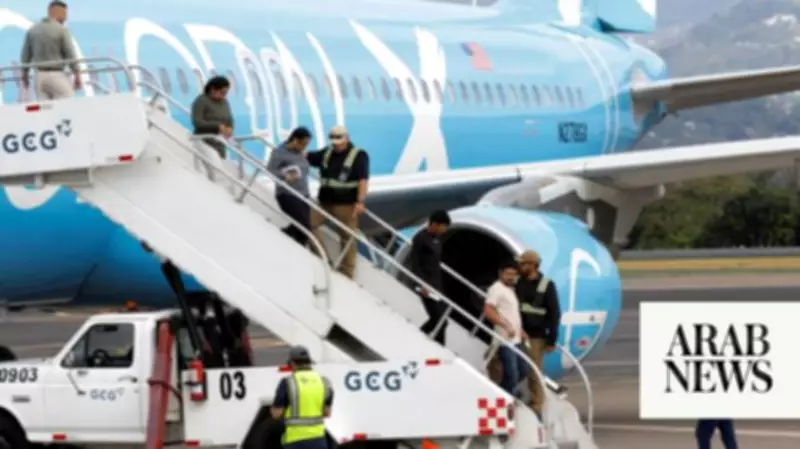
The second group, which arrived on Friday at San Jose's Juan Santamaría International Airport, consisted of 30 individuals. Their nationalities included eight Costa Ricans, eight Brazilians, three Romanians, two Chinese nationals, three from Uzbekistan, two from Azerbaijan, and one each from Ireland, India, Vietnam, and Belarus. This diverse mix underscores the global reach of US deportation policies under the current administration.

Assistance and Options for Deportees
Upon arrival, the migrants were assisted by Costa Rican migration police in coordination with the International Organization for Migration (IOM). Similar to the first group that arrived on Saturday, these individuals are being offered participation in the Assisted Voluntary Return (AVR) program administered by the IOM, which facilitates their return to their countries of origin.
Alternatively, they can apply for legal residency in Costa Rica under humanitarian categories through standard processes. During their first seven days in the country, deportees have the option to enroll in the voluntary return program or choose to stay via a temporary migration program or by requesting refugee status.
Legal and Humanitarian Considerations
Critics argue that such agreements often leave migrants in a legal "black hole," particularly in countries where they do not speak the language and face uncertain asylum prospects. If deportees decide to leave Costa Rica, they must inform local migration authorities and specify whether they require humanitarian support for their departure or will cover the costs themselves.
Broader International Context
Costa Rica is among a growing list of countries, including South Sudan, Honduras, Rwanda, Guyana, and Caribbean islands like Dominica and St. Kitts and Nevis, that have signed agreements with the US to accept third-party migrants. The first group sent to Costa Rica included individuals from Albania, Kenya, Morocco, China, India, Cameroon, Guatemala, and Honduras, reflecting the wide-ranging impact of these policies.
This ongoing situation raises questions about the humanitarian implications of such deportation strategies and the role of nations like Costa Rica in global migration dynamics. As the US continues to pressure governments to advance its agenda, the fate of these migrants remains a critical issue for international observers and human rights advocates.