DR Congo and Rebel Coalition Forge Agreement on Humanitarian Access and Civilian Protection
The government of the Democratic Republic of the Congo and the Alliance Fleuve Congo rebel coalition have agreed to facilitate humanitarian access and refrain from attacking civilians, according to a joint statement released by the US State Department on Saturday. This announcement follows intensive diplomatic talks held in Switzerland, marking a significant development in efforts to de-escalate the ongoing conflict in eastern DRC.
Progress on Draft Protocol and Key Commitments
Representatives from Kinshasa and the Alliance Fleuve Congo, a political-military movement that includes the M23 group, made substantial progress on a comprehensive draft protocol during the negotiations. This protocol covers several critical areas aimed at reducing violence and alleviating human suffering in the region.
- Humanitarian Access: The parties have committed to allowing the safe passage of aid workers and convoys, which is expected to improve the delivery of essential assistance to affected populations.
- Judicial Protections: The agreement includes provisions for judicial safeguards to protect civilians and ensure accountability for violations.
- Ceasefire Monitoring: Mechanisms for monitoring ceasefire compliance have been discussed, with an emphasis on transparency and adherence to international standards.
- Prisoner Release: The release of prisoners is also part of the draft, signaling a move toward reconciliation and trust-building between the conflicting sides.
During the meeting, both sides explicitly agreed to avoid targeting civilians, a commitment that could significantly reduce civilian casualties if upheld. This step is seen as a tentative but crucial move toward stabilizing the conflict-hit east of the vast central African nation, where fighting has intensified in recent months.

Background of the Conflict and Humanitarian Crisis
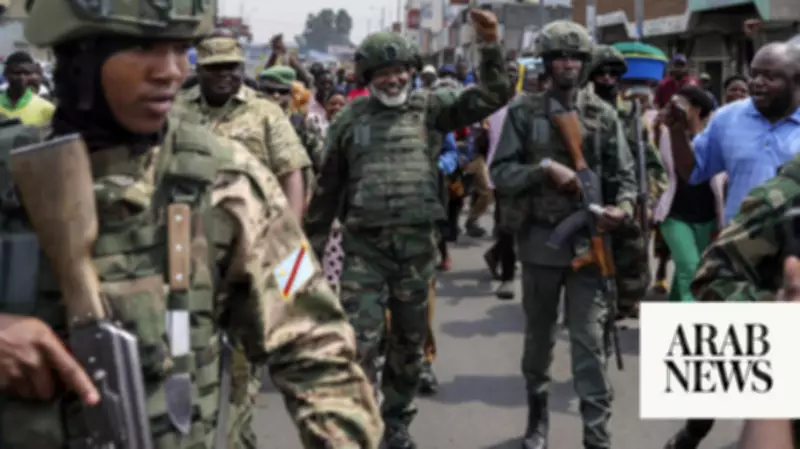
Eastern DRC has long been plagued by instability, driven by a complex mix of ethnic tensions, competition over mineral-rich land, and the presence of dozens of armed militias. The resurgence of the March 23 Movement in recent years has further destabilized North Kivu province, exacerbating an already dire situation.
Kinshasa has repeatedly accused neighboring Rwanda of backing the M23 group, a charge that Kigali denies. This external dimension adds another layer of complexity to the conflict, making diplomatic resolutions even more challenging.
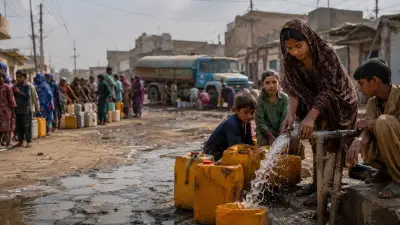
The violence has triggered one of the world's largest humanitarian crises. According to the United Nations, more than six million people are internally displaced in the DRC, with many concentrated in the eastern regions. Additionally, millions more face acute food insecurity, highlighting the urgent need for unimpeded humanitarian access.
Challenges and Diplomatic Efforts
Previous ceasefire efforts and regional mediation initiatives, including those led by East African blocs, have struggled to hold, with repeated violations reported on both sides. Aid agencies have frequently warned that insecurity and restricted access have severely hampered relief operations, leaving vulnerable populations without essential assistance such as food, medical care, and shelter.
Washington has been increasingly engaged in diplomatic efforts to reduce tensions, urging all parties to adhere to international humanitarian law and support robust mechanisms for monitoring ceasefire compliance. The US role in facilitating these talks underscores its commitment to fostering peace and stability in the region.
This agreement represents a hopeful step forward, but its success will depend on the implementation and sustained commitment of all parties involved. The international community will be closely watching to ensure that these promises translate into tangible improvements on the ground for the people of the Democratic Republic of the Congo.