India and Canada Announce Landmark Agreements in New Delhi
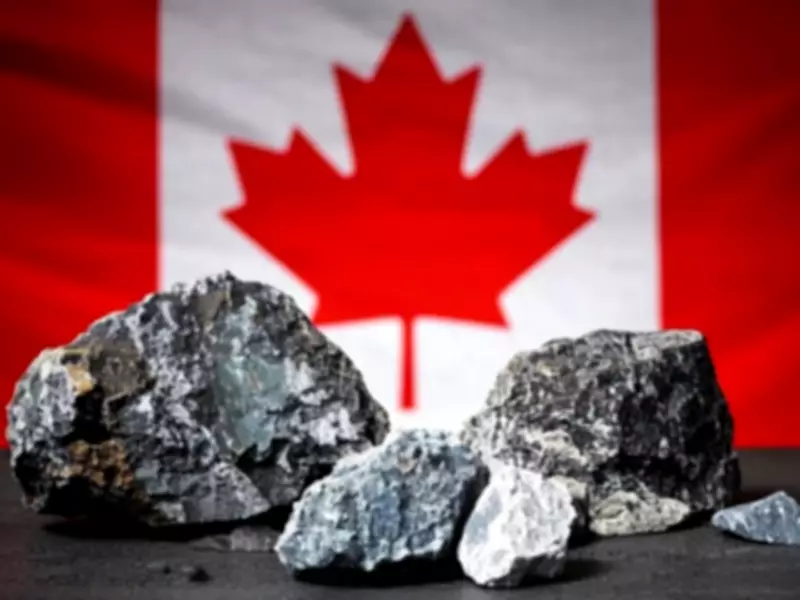
In a significant diplomatic development, India and Canada have reached a series of agreements aimed at strengthening bilateral ties, including a landmark uranium supply deal for nuclear power and cooperation on critical minerals. The announcements were made on Monday in New Delhi, where Prime Minister Narendra Modi and his Canadian counterpart Mark Carney hailed a fresh start in the relationship between their nations.
Key Agreements and Diplomatic Thaw
The pacts cover a range of areas, with a focus on critical mineral cooperation and a uranium supply agreement that is expected to boost India's nuclear energy sector. Additionally, the agreements include technology partnerships and initiatives to promote the use of renewable energy, reflecting a shared commitment to sustainable development.
Prime Minister Modi emphasized the positive shift in relations, stating, "Our ties have seen a new energy, mutual trust, and positivity." This sentiment was echoed by Carney, who noted that the engagement between the Canadian and Indian governments in the past year has surpassed the total of the previous two decades combined.

Background and Strategic Importance
Carney's visit marks a key step forward in ties that had effectively collapsed in 2023 after Ottawa accused New Delhi of orchestrating a deadly campaign against Sikh activists in Canada—allegations that India firmly rejected. The recent agreements signal a deliberate effort to move past these tensions and rebuild diplomatic and economic cooperation.
The uranium supply deal is particularly noteworthy, as it could enhance India's nuclear power capabilities, contributing to its energy security and climate goals. Meanwhile, the critical mineral cooperation is expected to support both countries' technological and industrial sectors, given the growing global demand for these resources.
Future Prospects and Implications
The renewed engagement between India and Canada is likely to have broader implications for international relations and trade. By focusing on areas like nuclear energy, critical minerals, and renewable technology, the two nations are positioning themselves as strategic partners in addressing global challenges such as energy transition and resource security.
As both leaders expressed optimism about the future, the agreements underscore a mutual desire to foster stability and growth in the bilateral relationship, potentially paving the way for further collaborations in the coming years.