Iran Accuses United States of Ceasefire Breach, Vows Military Retaliation Over Ship Attack
Iran's top joint military command, Khatam al-Anbiya, has formally accused the United States of violating a ceasefire agreement by firing upon an Iranian commercial vessel in the Gulf of Oman. The command has vowed to retaliate against what it describes as an act of "armed piracy" by the US military.
Details of the Maritime Incident and Conflicting Accounts
According to Iranian state media, a spokesperson for Khatam al-Anbiya stated early on Monday that the targeted vessel was en route from China to Iran when it was attacked. "We warn that the armed forces of the Islamic Republic of Iran will soon respond and retaliate against this armed piracy by the US military," the spokesperson declared.
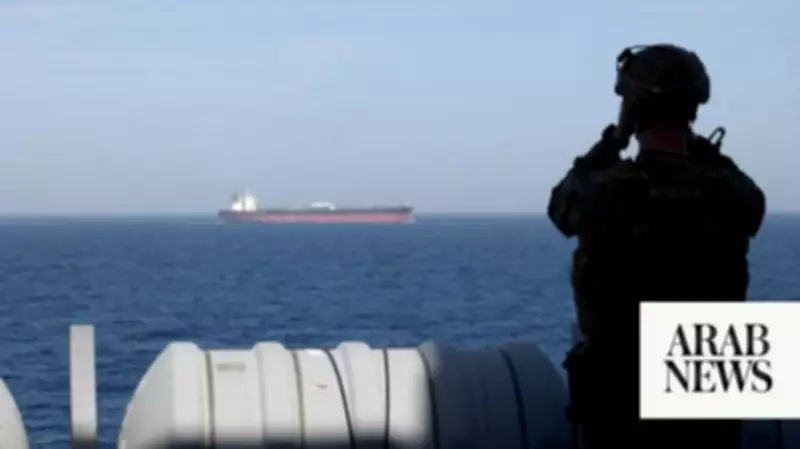
In a conflicting narrative, former US President Donald Trump announced that a US Navy destroyer, the USS Spruance, fired upon and seized the Iranian-flagged cargo ship named Touska as it attempted to evade an established US naval blockade. Trump detailed on his Truth Social platform that after the Touska ignored repeated warnings to halt, the USS Spruance "stopped them right in their tracks by blowing a hole in the engineroom." He added that US Marines currently have custody of the vessel and are inspecting its contents.

Escalating Tensions in the Strategic Strait of Hormuz
This confrontation occurs amidst dangerously high tensions in the Strait of Hormuz, a critical global chokepoint for oil and liquefied natural gas shipments. The strait has been virtually closed since the onset of the US-Israeli war with Iran seven weeks ago. Iran had briefly reopened the passage on Friday following an Israel-Hezbollah ceasefire in Lebanon but closed it again on Saturday in protest of the ongoing US blockade on maritime traffic to and from Iranian ports.
The US Central Command (CENTCOM) corroborated its actions in a social media post, stating the USS Spruance issued repeated warnings to the Touska over a six-hour period as it sailed toward Bandar Abbas, Iran. After the crew failed to comply, the destroyer directed them to evacuate the engine room before firing its 5-inch gun to disable the ship's propulsion. This marks the first such interception since the blockade of Iranian ports was initiated last week.
Broader Maritime Disruptions and Economic Repercussions
The economic and logistical fallout is significant. CENTCOM reports that since the blockade began, US forces have redirected 25 commercial vessels. Vessel tracking data indicated that two liquefied petroleum gas tankers attempted to transit the Strait of Hormuz on Saturday but turned back after reaching waters near Larak Island, reportedly due to intervention by Iran's armed forces.
The volatility has directly impacted global markets. Friday's announcement of the strait's brief reopening triggered the sharpest single-day drop in oil prices in years and propelled stock markets to record highs. However, energy analyst Amrita Sen of Energy Aspects predicts a price reversal, noting that "events over the weekend... highlight just how precarious the situation is."
Political Pressure and the Path Forward
Domestic political pressure is mounting on the US administration as the November midterm elections approach. With US gasoline prices elevated, inflation rising, and presidential approval ratings declining, there is increasing urgency to find a diplomatic resolution to the conflict. The Touska itself is listed under US Treasury sanctions due to prior allegations of illegal activity, a point emphasized by US officials.
This incident underscores the fragile state of ceasefire agreements in the region and the potential for a rapid escalation into broader military conflict, with global energy security hanging in the balance.