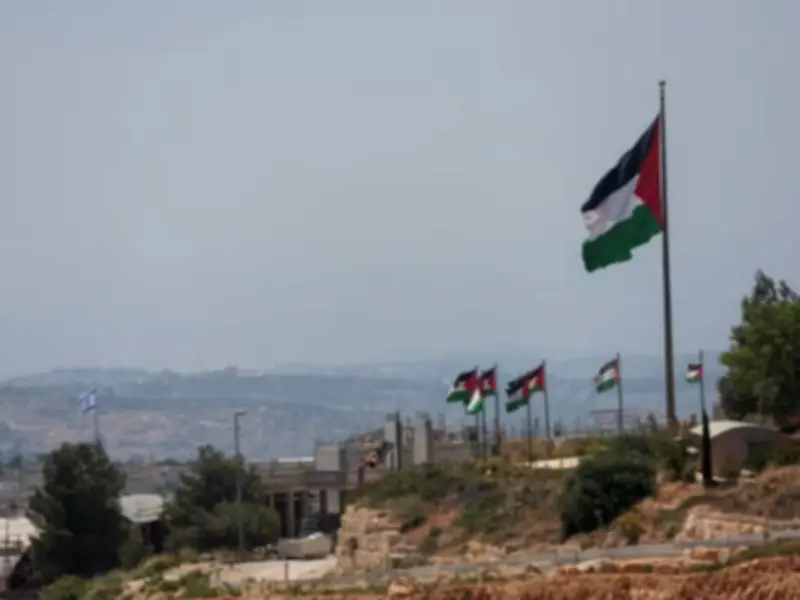
Israel has announced plans for a significant expansion of settlements in the occupied West Bank, a move widely condemned as illegal under international law. The plan, which includes thousands of new housing units, has drawn sharp criticism from Palestinian authorities and the international community.
Details of the Expansion
According to Israeli officials, the new settlement units will be built in existing settlements, expanding their footprint across the West Bank. The government has approved the construction of over 4,000 housing units, with plans for additional infrastructure projects. This marks one of the largest settlement expansions in recent years.
International Reactions
The United Nations, European Union, and several countries have condemned the move, stating that it undermines the two-state solution and violates international law. The United States, while traditionally supporting Israel, has expressed concern over the timing and scale of the expansion.

Palestinian leaders have called for immediate international intervention, labeling the settlements as a major obstacle to peace. The Palestinian Authority has urged the international community to take concrete steps to halt the expansion.
Legal and Political Implications
Settlements in the West Bank are considered illegal under the Fourth Geneva Convention, which prohibits an occupying power from transferring its civilian population into occupied territory. Israel disputes this interpretation, citing historical and security claims.
The expansion comes amid heightened tensions in the region, with ongoing violence and political instability. Critics argue that the settlement push further erodes the possibility of a viable Palestinian state and perpetuates the conflict.
Israel's government, led by Prime Minister Benjamin Netanyahu, remains committed to the settlement project, viewing it as a key national priority. The move is also seen as a response to domestic political pressures, as Netanyahu faces corruption trials and coalition challenges.
As the international community weighs its response, the future of the West Bank and the broader Israeli-Palestinian conflict hangs in the balance. The expansion is likely to fuel further protests and diplomatic tensions in the coming months.