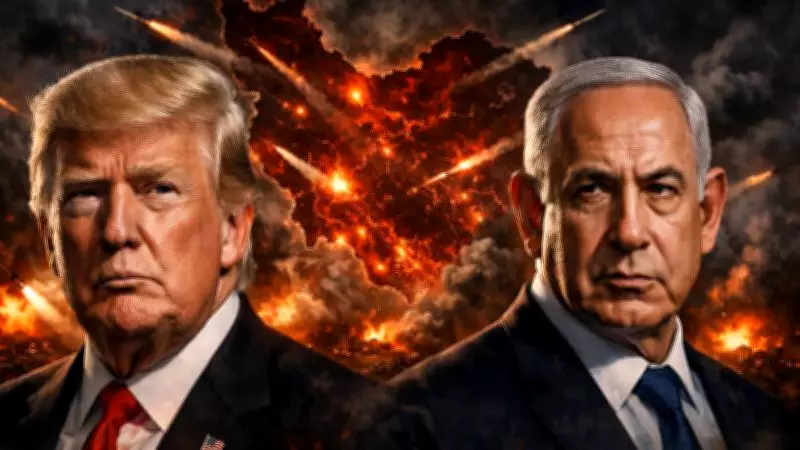
Israel's Independent Actions Strain US Alliance in Iran Conflict
Recent developments in the Middle East have highlighted a significant rift between Israel and the United States, as Israel pursues military strategies against Iran that diverge sharply from American diplomatic efforts. This perceived betrayal has sparked intense debate among policymakers and analysts, with implications for regional stability and global security dynamics.
Background of US-Israel Relations
The longstanding alliance between the United States and Israel has been a cornerstone of Middle Eastern politics for decades, characterized by mutual defense agreements and shared strategic interests. Historically, the US has provided substantial military and economic support to Israel, while Israel has often aligned its policies with American objectives in the region. However, recent events suggest a shift in this dynamic, as Israel takes more autonomous actions in its conflict with Iran.
Israel's Military Moves Against Iran
In recent months, Israel has conducted a series of covert and overt operations targeting Iranian nuclear facilities and military assets, without prior consultation or approval from the United States. These actions include:

- Cyberattacks on Iranian infrastructure, disrupting critical systems and escalating tensions.
- Targeted airstrikes on Iranian-backed militias in neighboring countries, risking broader regional conflict.
- Intelligence operations aimed at undermining Iran's nuclear program, conducted independently of US oversight.
These moves have been justified by Israeli officials as necessary for national security, citing Iran's aggressive posturing and support for hostile groups. However, they have also been criticized for undermining US-led diplomatic initiatives aimed at de-escalating the situation through negotiations and sanctions.
US Diplomatic Efforts and the Perception of Betrayal
The United States, under current administration policies, has prioritized a diplomatic approach to the Iran conflict, focusing on multilateral talks and economic pressure to curb Iran's nuclear ambitions. Key elements of this strategy include:
- Renewed engagement with international partners to revive the Iran nuclear deal.
- Implementation of targeted sanctions to limit Iran's military capabilities.
- Public calls for restraint and dialogue to avoid military escalation.
Israel's unilateral actions have been seen as a betrayal of these efforts, potentially sabotaging delicate negotiations and forcing the US into a reactive position. American officials have expressed frustration privately, warning that such moves could lead to unintended consequences, including a wider war that draws in other regional powers.
Implications for Regional and Global Security
The growing divide between Israel and the United States over Iran has far-reaching implications. Regionally, it risks destabilizing alliances and emboldening adversaries, while globally, it challenges the coherence of Western foreign policy. Experts warn that if left unaddressed, this rift could:
- Undermine trust in US leadership among allies in the Middle East.
- Encourage Iran to adopt more aggressive tactics, perceiving a weakened united front.
- Complicate efforts to address other pressing issues, such as terrorism and economic cooperation.
As tensions simmer, the need for renewed dialogue and coordination between Israel and the United States becomes increasingly urgent to prevent further escalation and protect shared interests.