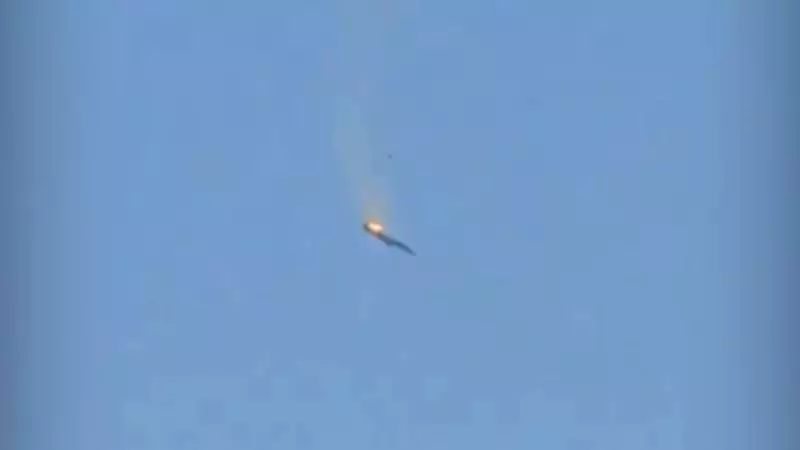
Kuwaiti Forces Mistakenly Down US Aircraft in Gulf Region Friendly Fire
In a significant and unfortunate military mishap, Kuwaiti defense forces have accidentally shot down two United States fighter jets in what is being described as a friendly fire incident. This event occurred amidst rapidly escalating tensions and conflict in the Gulf region, highlighting critical issues in international military coordination and communication protocols.
Details of the Incident and Immediate Aftermath
The incident took place during a period of heightened military activity in the Gulf, where multiple nations are on high alert due to ongoing geopolitical strife. According to preliminary reports, Kuwaiti air defense systems mistakenly identified the US fighter jets as hostile targets, leading to their downing. The exact model of the aircraft and the number of personnel involved have not been fully disclosed, but sources indicate that rescue and recovery operations are currently underway.
This friendly fire event has sparked immediate concerns among allied forces operating in the area. Military analysts suggest that such incidents, while rare, can occur during times of intense conflict when radar systems and identification processes are under strain. The US and Kuwait have a long-standing defense partnership, with American troops stationed in Kuwait as part of regional security agreements, making this incident particularly sensitive.

Broader Implications for Gulf Security and Diplomatic Relations
The accidental downing of US jets by Kuwaiti forces raises serious questions about the effectiveness of current military coordination mechanisms in the Gulf. As tensions escalate, the risk of similar mishaps increases, potentially undermining collective security efforts. This incident could strain the strategic alliance between the US and Kuwait, prompting calls for enhanced communication protocols and joint training exercises to prevent future occurrences.
Furthermore, the event occurs against a backdrop of broader Gulf conflicts involving various state and non-state actors. It underscores the volatile nature of the region, where miscalculations can have far-reaching consequences. Diplomatic channels are likely to be activated to address the fallout, with both nations expected to conduct thorough investigations to determine the root causes and implement corrective measures.
Response from Authorities and Future Outlook
Initial statements from Kuwaiti and US military officials have emphasized the accidental nature of the incident, with expressions of regret and commitment to transparency. However, the incident is poised to influence military strategies and alliances in the Gulf. Experts warn that without improved coordination, such friendly fire events could become more frequent, jeopardizing regional stability.
In the coming days, focus will shift to the investigative outcomes and any policy adjustments aimed at bolstering defense cooperation. This incident serves as a stark reminder of the complexities of modern warfare in multi-national environments, where technological and human factors must align to ensure safety and effectiveness.