Lebanese Army Reopens Key Roads and Bridges Damaged by Israeli Strikes
The Lebanese military announced on Sunday that it has reopened a critical road and bridge in the country's southern region, which were severely damaged by Israeli strikes. This development comes as a 10-day ceasefire between Hezbollah and Israel continues to hold, providing a fragile respite from weeks of intense conflict.
Infrastructure Rehabilitation Efforts Underway
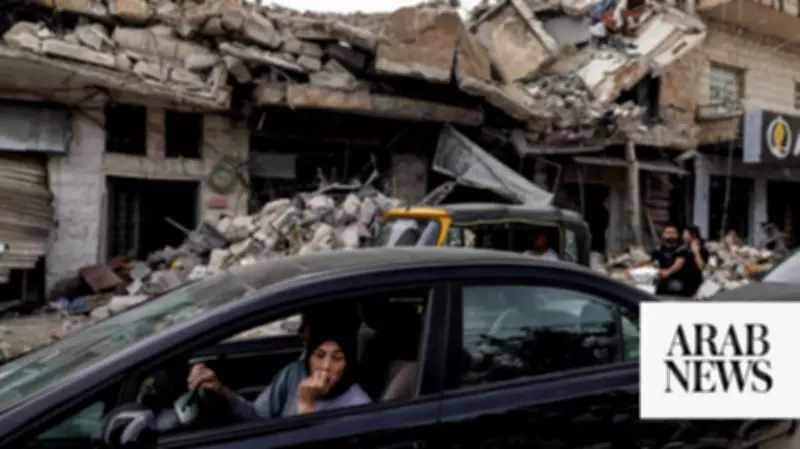
In an official statement, the army confirmed it has fully reopened the road connecting the city of Nabatieh with the Khardali area. Additionally, the Burj Rahal-Tyre bridge has been partially reopened to traffic. Military engineers are actively working to rehabilitate the Tayr Falsay-Tyre bridge, which sustained significant damage from what the army described as Israeli aggression.
Israeli strikes targeting bridges crossing Lebanon's Litani River—located approximately 30 kilometers (20 miles) north of Israel—had effectively severed the area south of the waterway from the rest of the country. The destruction created major transportation bottlenecks and humanitarian challenges for local populations.

Ceasefire Brings Temporary Calm Amid Ongoing Tensions
The ceasefire, which took effect on Friday following the first direct talks between Israel and Lebanon in decades, has paused fighting that claimed nearly 2,300 lives and displaced over one million people. Since the truce began, Lebanese military units and local authorities have prioritized reopening roads blocked by Israeli strikes.
On Friday morning, the vital Qasmiyeh bridge was reopened, enabling countless displaced southern Lebanese residents to return to their homes and assess property damage. However, many remain hesitant to return permanently due to uncertainty about the truce's longevity.
Displaced Residents Exercise Caution in Returning Home
On Saturday, an AFP correspondent in the southern city of Sidon observed heavy traffic heading toward Beirut as displaced southerners returned to temporary shelters in the capital after brief visits to their home regions. This cautious movement reflects widespread concerns about the stability of the ceasefire.
Hezbollah official Mahmud Qamati emphasized this uncertainty earlier that day, warning that Israeli treachery is expected at any time, and this is a temporary truce. He advised displaced residents to take a breath, relax a little, but do not abandon the places you have taken refuge in until we are completely reassured about your return.
Israeli Military Actions Continue Despite Truce
The Israeli military has conducted strikes and demolitions in southern Lebanon even during the ceasefire period. On Saturday, Israeli forces announced they had established a yellow line in southern Lebanon, similar to one implemented in Gaza that separates Israeli forces from areas controlled by Hamas.
This military demarcation has raised concerns about potential future escalations, as both sides maintain defensive postures while the truce remains in effect. The situation remains tense, with reconstruction efforts proceeding alongside ongoing security preparations.