Middle East Crisis Intensifies Following Assassination of Ali Khamenei
The Middle East has plunged into unprecedented turmoil following the assassination of Iranian Supreme Leader Ali Khamenei, creating what experts describe as a historic turning point with potentially global ramifications. As tensions reach explosive levels across the region, the international community watches anxiously, fearing this crisis could escalate into a wider conflict that reshapes geopolitical alliances and power structures.
Historical Roots of the Current Crisis
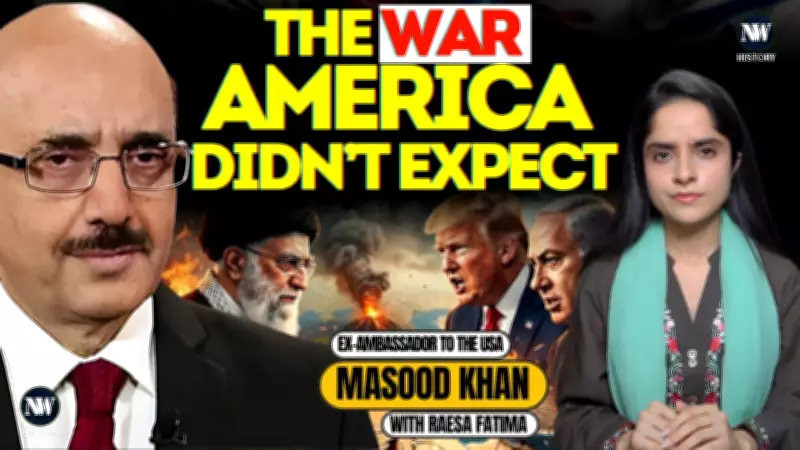
In a comprehensive analytical discussion, former Pakistani Ambassador to the United States Sardar Masood Khan traced the complex origins of the current standoff. The ambassador provided detailed context, beginning with the 1953 coup against Iranian Prime Minister Mohammad Mosaddegh, which marked the beginning of significant Western intervention in Iranian affairs.
The ambassador explained how this event set in motion a series of developments that would fundamentally alter Iran's trajectory, including the eventual fall of Mohammad Reza Pahlavi's monarchy and the seismic 1979 Islamic Revolution that transformed Iran into a theocratic republic. More recently, the collapse of the Joint Comprehensive Plan of Action (JCPOA), commonly known as the Iran nuclear deal, has further exacerbated regional tensions and contributed to the current volatile situation.

From Cold War Allies to Sworn Enemies
One of the central questions Ambassador Khan addressed concerns the dramatic transformation in US-Iran relations. "How did two nations that were Cold War allies evolve into sworn enemies?" he asked rhetorically, before detailing the complex diplomatic history that saw Iran shift from being a key American partner in the Middle East to becoming Washington's primary regional adversary.
The analysis explored multiple factors contributing to this deterioration, including ideological differences following the 1979 Revolution, conflicting regional ambitions, and fundamentally opposing views on Middle Eastern security architecture. The ambassador highlighted how successive administrations in both countries have struggled to find common ground, with mistrust deepening over decades of sanctions, proxy conflicts, and diplomatic standoffs.
Israel's Perception of an Existential Threat
Another critical dimension examined was Israel's relationship with post-revolutionary Iran. Ambassador Khan explained how Tehran's regional ambitions, support for proxy groups, and nuclear program have led Israeli leadership to view Iran as an existential threat to the Jewish state's security and survival.
This perception has shaped Israeli foreign policy for decades, influencing military strategies, intelligence operations, and diplomatic initiatives aimed at countering Iranian influence across the Middle East. The ambassador noted that this adversarial relationship has become one of the most dangerous fault lines in regional politics, with both nations engaging in shadow warfare that occasionally threatens to erupt into open conflict.
Potential Global Consequences and Regional Destabilization
The most pressing question addressed concerns the potential outcomes of the current crisis. Ambassador Khan outlined several possible scenarios that could emerge from the escalating tensions:

- Reshaping Iran's Leadership Structure: The assassination of Khamenei could trigger internal power struggles within Iran's complex political system, potentially leading to significant changes in the country's leadership and governing ideology.
- Destabilizing the Persian Gulf Region: Escalating conflict could disrupt vital shipping lanes, threaten energy exports, and draw neighboring countries into direct confrontation, creating economic and security crises with global implications.
- Dragging the World Toward Wider Conflict: With major powers including the United States, Russia, and China having significant interests in the region, localized tensions could potentially escalate into broader international confrontations with unpredictable consequences.
The ambassador emphasized that the current situation represents one of the most dangerous geopolitical flashpoints in recent memory, requiring careful diplomacy and international cooperation to prevent catastrophic escalation. As the world watches events unfold in the Middle East, the decisions made by regional and global powers in the coming weeks could determine whether this crisis remains contained or spirals into a conflict with historic global implications.