Mojtaba Khamenei Emerges as Frontrunner for Iran's Supreme Leadership
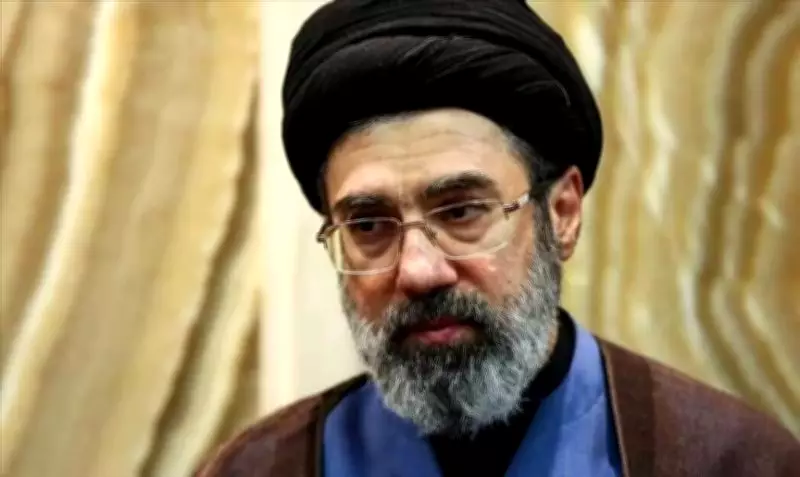
In a significant development shaping the future of Iran's political landscape, Mojtaba Khamenei, the son of the current Supreme Leader Ayatollah Ali Khamenei, has reportedly emerged as the leading candidate to succeed his father. This potential succession is generating intense discussions both within Iran and across the international community, as it could profoundly influence the nation's domestic policies and its role in Middle Eastern affairs.
Background and Political Significance
Mojtaba Khamenei, often described as a low-profile yet influential figure within Iran's clerical establishment, has been gradually gaining prominence in recent years. His father, Ayatollah Ali Khamenei, has served as Iran's Supreme Leader since 1989, wielding ultimate authority over the country's political, military, and religious matters. As speculation about the elder Khamenei's health and succession plans intensifies, Mojtaba's name has surfaced prominently in internal debates among Iran's power elites.
The role of the Supreme Leader in Iran is constitutionally defined as the highest-ranking political and religious authority, making the succession process a critical event for the nation's stability. Mojtaba's potential ascension is seen by some analysts as a move to ensure continuity in Iran's conservative policies, while others view it as a contentious issue that could spark internal divisions.

Factors Influencing the Succession Race
Several key factors are contributing to Mojtaba Khamenei's position as a frontrunner in the succession race. Firstly, his deep-rooted connections within Iran's Revolutionary Guard Corps and other influential institutions provide him with substantial political backing. Additionally, his alignment with his father's ideological stance on issues such as nuclear policy and regional alliances strengthens his candidacy among conservative factions.
However, this potential succession is not without controversy. Critics argue that appointing a family member could undermine the principles of the Islamic Republic, which emphasizes merit-based leadership. Moreover, there are concerns about how this move might affect Iran's relations with other countries, particularly in the context of ongoing nuclear negotiations and regional conflicts.
Implications for Iran and the Region
The prospect of Mojtaba Khamenei becoming the next Supreme Leader carries significant implications for both Iran and the broader Middle East. Domestically, it could lead to:
- Continuation of hardline policies on social and economic issues.
- Potential unrest among reformist groups seeking political change.
- Strengthened control over military and security apparatuses.
Regionally, his leadership might result in:
- Increased tensions with rival nations such as Saudi Arabia and Israel.
- Possible shifts in Iran's involvement in proxy conflicts across the Middle East.
- Impacts on global oil markets and diplomatic relations.
As the succession process unfolds, international observers are closely monitoring developments, recognizing that the choice of Iran's next Supreme Leader will be a pivotal moment in shaping the geopolitical dynamics of the region for years to come.