More than 640,000 displaced people in Lebanon have returned home following a ceasefire that ended months of clashes between Hezbollah and Israel, according to the International Organization for Migration. The deal, signed by Tehran and Washington, took effect on June 21, 2026, and has allowed hundreds of thousands to go back to their communities, primarily in southern Lebanon and Beirut's southern suburbs.
Ceasefire Brings Partial Return, but Many Remain Displaced
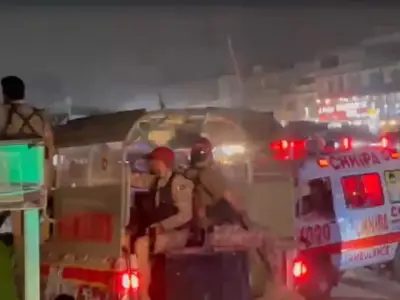
The IOM report, released on Thursday, stated that 646,107 internally displaced persons (IDPs) have begun returning to their communities. However, approximately 500,000 others remain displaced, based on data collected in coordination with local authorities since June 22. Lebanese authorities have worked to dismantle informal tent encampments in and around Beirut and reduce the number of official shelters, but dozens of towns and villages near the southern border remain inaccessible due to massive destruction.
Lebanon was drawn into the regional war on March 2, 2026, when Hezbollah fired rockets at Israel to avenge the killing of Iran’s supreme leader in US-Israeli strikes. Israel responded with heavy airstrikes and an invasion of southern Lebanon, where its troops still occupy swathes of territory. Lebanese authorities say Israeli attacks have killed roughly 4,300 people and displaced over 1 million.

Israeli Forces Remain in Security Zone Despite Ceasefire
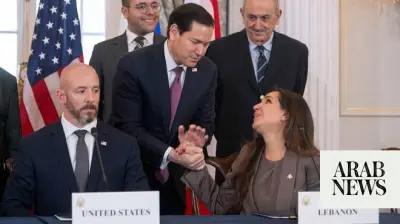
Israeli officials have repeatedly ruled out withdrawing troops from southern Lebanon. They vow their forces will remain in a “security zone” 10 km deep, despite the ceasefire. Last week, Lebanon and Israel concluded a US-backed framework agreement aiming to pave the way for a permanent end to the war. The agreement calls for the disarmament of Hezbollah, a gradual Israeli withdrawal from southern Lebanon, and the deployment of the Lebanese army there — starting with two “pilot” areas.
However, the agreement — rejected by Hezbollah — does not set a timetable for Israeli withdrawal. Instead, it makes Israeli withdrawal contingent on Hezbollah’s disarmament first, a tall order that experts say the Lebanese state cannot meet. Israeli Prime Minister Benjamin Netanyahu visited troops in southern Lebanon on Tuesday, vowing that his country’s forces would stay in the area as long as Hezbollah remained a threat.
Continued Strikes and Tensions
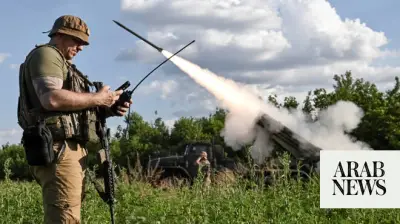
Israel’s military said on Friday it had struck several Hezbollah sites in southern Lebanon a day earlier in response to attacks on its troops in the area. Israeli forces “struck approximately 10 Hezbollah infrastructure sites and a truck used to transfer weapons in southern Lebanon,” the military said in a statement. The sites were in the areas of the south Lebanon towns of Bint Jbeil, Beit Yahoun, Kounine, and Baraachit, and “were used by Hezbollah to advance attacks against IDF soldiers operating in the Security Zone,” the army said.
The military said the strikes on the infrastructure sites were carried out following attacks on its soldiers inside the Israeli-declared “security zone.” The strike on the truck carrying weapons near the area was carried out to remove a threat to the soldiers. The Lebanese news agency reported three Israeli strikes Thursday night, near the town of Baraachit in the Bint Jbeil area, and in Nabatiyeh Al-Fawqa. The agency also reported two injuries in a strike on the town of Seddiqine near Tyre.