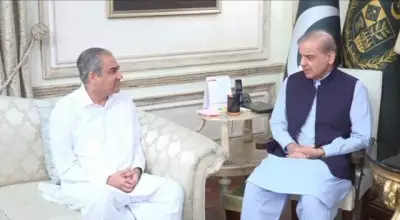
Pakistan and Saudi Arabia Issue Joint Call for De-escalation in Middle East
In a significant diplomatic development, Pakistan and Saudi Arabia have jointly urged for immediate de-escalation in the ongoing Middle East conflict. This call comes amid heightened regional tensions, with both nations emphasizing the critical need for dialogue and peaceful resolution to prevent further instability.
Diplomatic Efforts to Promote Regional Stability
The joint statement from Pakistan and Saudi Arabia underscores their shared commitment to fostering peace and security in the Middle East. Officials from both countries have highlighted the importance of avoiding actions that could exacerbate the conflict, advocating instead for constructive engagement among all parties involved. This move aligns with their longstanding bilateral ties and mutual interests in regional harmony.
Key points from the diplomatic initiative include:

- A strong emphasis on reducing military activities and hostilities.
- Support for international mediation efforts to facilitate negotiations.
- Recognition of the humanitarian impact on civilians caught in the conflict zones.
Context and Implications for Foreign Policy
This call for de-escalation reflects Pakistan's active role in global diplomacy, particularly in matters affecting Muslim-majority regions. As a nation with deep historical and cultural connections to the Middle East, Pakistan's stance is closely watched by international observers. Similarly, Saudi Arabia's involvement signals its pivotal position as a regional leader seeking to balance stability with its strategic interests.
Analysts note that this joint appeal could influence other nations to prioritize diplomatic solutions over confrontation, potentially easing tensions in volatile areas. The collaboration between Pakistan and Saudi Arabia may also pave the way for enhanced multilateral cooperation on security issues, reinforcing their partnership in addressing common challenges.
Broader Impact on International Relations
The de-escalation call has garnered attention from global powers, with many expressing support for peaceful resolutions. It highlights the growing importance of regional actors in shaping international responses to conflicts. By advocating for restraint, Pakistan and Saudi Arabia aim to contribute to a more stable geopolitical environment, which is crucial for economic and social development in the affected regions.
In summary, this diplomatic effort underscores the proactive approach of Pakistan and Saudi Arabia in promoting peace, with potential ripple effects on foreign policy dynamics worldwide.