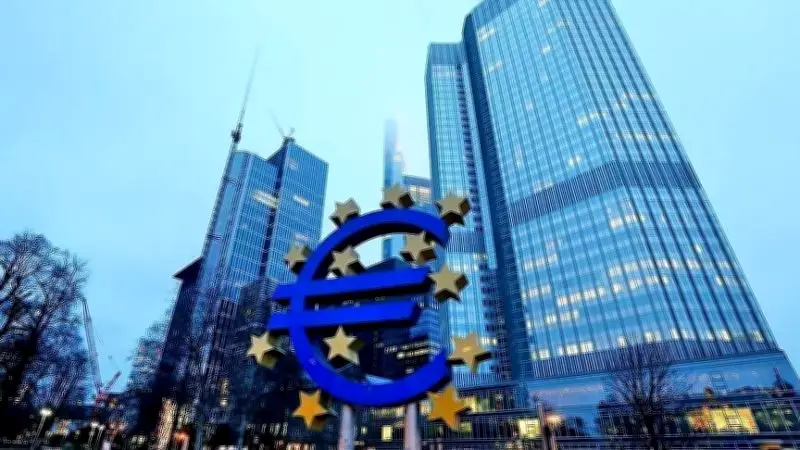
The annual inflation rate in the euro area reached 3.2% in May, according to official figures released on Tuesday. This marks an increase from 3% in April, primarily driven by higher energy prices. The data, published by Eurostat, highlights the ongoing impact of geopolitical tensions on the region's economy.
Energy Prices Surge Amid Geopolitical Conflicts
Energy prices in the eurozone surged by 10.9% year-on-year in May. This sharp increase is largely attributed to the ongoing conflicts in the Middle East. Following the onset of US and Israeli attacks on Iran on February 28, Iran's decision to close the strategic Strait of Hormuz, along with attacks on energy plants, has severely disrupted global oil and gas supplies. These disruptions have directly affected energy costs in the euro area.
Core Inflation and Regional Variations
Excluding energy, the non-energy inflation rate stood at 2.4% in May. The overall annual inflation in the eurozone has been on an upward trend since February, marking the fourth consecutive monthly increase. Among eurozone countries, the highest inflation rates in May were recorded in Bulgaria (6.3%), Lithuania (5.1%), and Greece (5.0%). These variations highlight the uneven impact of energy price hikes across the region.

The continued rise in inflation poses challenges for the European Central Bank's monetary policy, as it seeks to balance price stability with economic growth. Analysts will be closely watching upcoming data to gauge the trajectory of inflation in the coming months.