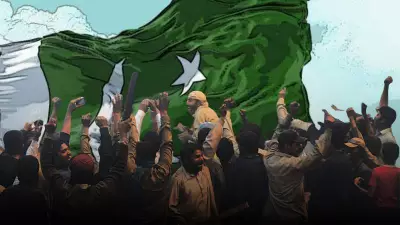
Pakistan's recent diplomatic and strategic successes have provided it with a rare opportunity to reshape not only its international image but also its future trajectory as a regional power. In a part of the world often defined by instability and conflict, Islamabad has emerged from a series of challenging developments with enhanced credibility, greater diplomatic relevance, and a renewed sense of strategic importance.
Two Key Developments
Two developments in particular have contributed significantly to this transformation. The first was Pakistan's performance during the recent military confrontation with India following Operation Sindoor. Regardless of how individual narratives may differ, the conflict underscored Pakistan's ability to defend itself against a much larger adversary and demonstrated a level of military preparedness that surprised many international observers. The confrontation, which lasted only a matter of days, reinforced the longstanding principle that conventional military size alone does not necessarily determine outcomes in modern warfare. Technology, planning, preparedness, and strategic clarity all play decisive roles.
For Pakistan, the episode became more than a military engagement. It was also a diplomatic moment. The country's measured response and ability to communicate its position internationally helped shape perceptions beyond the battlefield. In global capitals, policymakers took note of Pakistan's capabilities and its importance to regional stability.

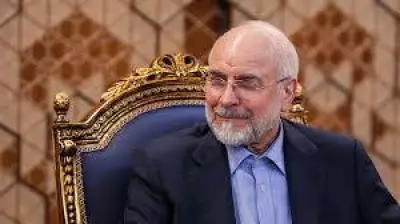
The second development has been Pakistan's role in helping facilitate communication and mediation efforts between the United States and Iran during a period of heightened tensions. With the Middle East once again on the brink of a wider conflict, Pakistan's ability to maintain constructive relationships with both Washington and Tehran has proven invaluable. While major powers often dominate headlines, middle powers that can serve as credible intermediaries frequently play a decisive role in preventing crises from escalating into wars.
Pakistan's Phoenix Moment: Mediation Amid A Fractured Geopolitical Order
Pakistan's engagement in these diplomatic efforts has enhanced its standing as a responsible regional actor capable of contributing to peace and stability beyond its immediate borders. At a time when many countries find themselves increasingly polarised by competing geopolitical blocs, Pakistan has demonstrated the value of maintaining balanced relationships and strategic flexibility.
Taken together, these developments have elevated Pakistan's international profile in a way that few could have anticipated only a few years ago. The country's geostrategic location at the crossroads of South Asia, Central Asia, the Middle East, and the Indian Ocean has always been one of its greatest assets. What has changed is the growing recognition among international stakeholders that Pakistan is not merely a geographical bridge but an increasingly important diplomatic and security partner.
Translating Gains into Tangible Benefits
Yet history offers an important lesson: diplomatic victories and strategic relevance are only truly meaningful when they translate into tangible benefits for ordinary citizens. This is where Pakistan's policymakers and decision-makers face their next challenge. The gains achieved through diplomacy and national security successes must now be converted into economic opportunities. Prestige alone does not create jobs. International recognition does not automatically attract investment. Strategic importance does not, by itself, improve living standards.
A comprehensive national roadmap is needed to ensure that Pakistan's enhanced standing delivers measurable benefits to its people. One priority should be securing greater market access for Pakistani exporters. As Pakistan strengthens its relationships with key international partners, economic diplomacy should become a central pillar of foreign policy. The country's exporters need improved access to global markets, fewer trade barriers, and expanded opportunities to participate in international supply chains. Diplomatic goodwill should be leveraged to create commercial opportunities that help Pakistani businesses grow and compete internationally.

How Pakistan Turned Praise Into Geopolitical Leverage
Foreign direct investment must also become a major focus. Investors are often attracted not only by economic fundamentals but also by perceptions of stability and strategic significance. Pakistan's recent successes have helped improve those perceptions. The challenge now is to capitalise on them through policy consistency, regulatory reforms, and investor-friendly measures that encourage long-term commitments in sectors ranging from manufacturing and technology to energy and infrastructure.
Equally important is the need to improve mobility for Pakistani citizens. For too long, Pakistan's passport has ranked among the weaker travel documents globally, limiting opportunities for students, tourists, professionals, and entrepreneurs. While visa policies remain sovereign decisions of individual states, Pakistan's enhanced diplomatic profile provides an opportunity to advocate for easier travel arrangements, expanded visa facilitation agreements, and greater people-to-people exchanges.
This is not merely a matter of convenience. Increased mobility can generate substantial economic and social benefits. Students gain access to world-class educational opportunities. Businesses can explore new markets. Professionals can develop international networks. Tourists can serve as informal ambassadors for their country. Greater connectivity with the world ultimately contributes to economic growth and national development.
The Path Forward
The objective should be clear: the benefits earned on the battlefield and at the negotiating table must reach the lives of ordinary Pakistanis. Success should not be measured solely by diplomatic invitations, international headlines, or strategic relevance. It should also be measured by rising exports, growing investment, expanding employment opportunities, and greater freedom of movement for citizens.
Pakistan today finds itself in a stronger position internationally than it has occupied in many years. Its military capabilities have earned attention, its diplomatic efforts have won recognition, and its strategic location continues to make it an indispensable player in regional affairs. The task ahead is to ensure that these achievements become the foundation of a broader national success story. If policymakers can successfully convert geopolitical capital into economic capital, Pakistan's recent gains will prove far more than temporary victories. They will become the building blocks of a more prosperous, connected, and confident future. That is the real challenge, and the real opportunity, that now lies before the country.