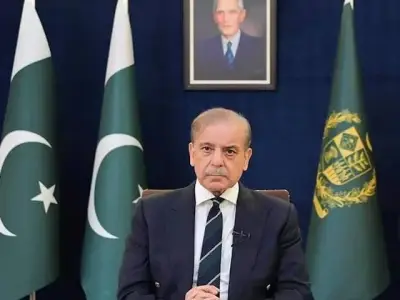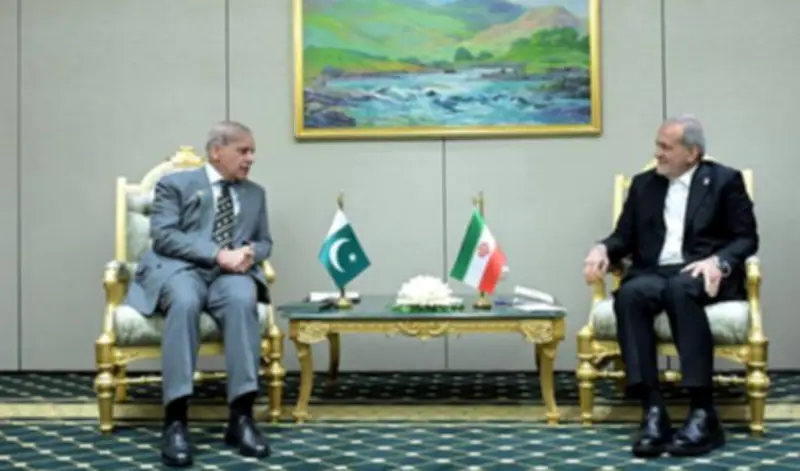
Prime Minister Muhammad Shehbaz Sharif on Tuesday warmly welcomed Iranian President Dr. Masoud Pezeshkian and his delegation to Pakistan, reaffirming Islamabad’s commitment to strengthening bilateral ties across multiple sectors, including trade, economic development, infrastructure and reconstruction, and promoting peace and stability in the region.
Opening Remarks at Delegation-Level Talks
During his opening remarks at the delegation-level talks, the Prime Minister said it was a great pleasure to receive the Iranian President in Islamabad and thanked him for accepting his invitation to visit Pakistan.
Prime Minister Shehbaz Sharif said, “I have no doubt that the brave and resilient people of Iran, with their immense capabilities and natural resources, will transform their country into a flourishing economy.” Pakistan and Iran would continue joint efforts to achieve shared prosperity, he added.

Pakistan’s Mediation Role and Regional Peace
The prime minister thanked the Iranian leadership for trusting Pakistan’s sincere and honest mediation efforts and assured Tehran that Pakistan would continue to play a constructive role in promoting lasting peace.
“True brotherhood requires no questions or answers,” the Prime Minister remarked, emphasizing that Pakistan would continue supporting peace initiatives based on dignity, honour and mutual respect.
The Prime Minister conveyed his warm regards to Iran’s Supreme Leader and praised the Iranian leadership for its efforts that led to the signing of a Memorandum of Understanding (MoU) and the achievement of a ceasefire with “dignity and honour.”
Solidarity with Iran and Condolences
Expressing solidarity with the people of Iran, Prime Minister Shehbaz Sharif offered his deepest condolences over the loss of innocent lives, including children, women, boys and girls, during the recent conflict. He commended President Pezeshkian’s sagacious, calm and vigilant leadership that had helped pave the way for a more peaceful future.
Role of Pakistan’s Military Leadership
Highlighting the role of Pakistan’s military leadership, Prime Minister Shehbaz Sharif particularly acknowledged the efforts of Field Marshal Syed Asim Munir, whom he credited with working tirelessly to facilitate dialogue and support the signing of the MoU.
“He worked untiringly through difficult days and nights with one mission: to do everything humanly possible to stop a war that could have brought devastation across vast regions,” the prime minister said.
Diplomatic Engagements and International Support
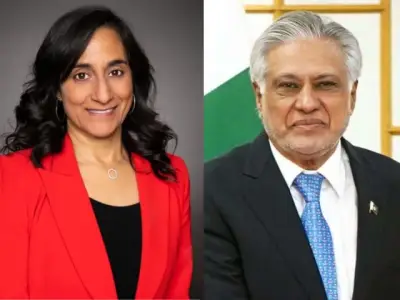
He also referred to the first technical-level session held in Switzerland and thanked Deputy Prime Minister and Foreign Minister Senator Ishaq Dar as well as Interior Minister Mohsin Naqvi for their diplomatic engagements and shuttle diplomacy efforts.
The prime minister further appreciated the support extended by Qatar and other brotherly countries for advancing the peace initiative. He also lauded the contributions of Saudi Crown Prince Mohammed bin Salman, Turkish President Recep Tayyip Erdogan and Egyptian President Abdel Fattah el-Sisi for their support and efforts toward regional stability.
Parliamentary Briefing and People’s Welcome
PM Shehbaz Sharif noted that he had informed Parliament about President Pezeshkian’s visit and said the people of Pakistan were delighted to welcome the Iranian leader.
Reaffirming the close ties between the two neighbouring countries, he stated, “Iran and Pakistan are brothers, and we stand together in times of happiness and sorrow.”
Clarification on MoU Scope
Addressing speculation regarding the contents of the MoU, Prime Minister Shehbaz Sharif clarified that ballistic missiles were neither included in the agreement nor discussed during negotiations, as the issue was not on the agenda.
He cautioned against any misunderstanding regarding the agreement and suggested that certain elements had attempted to undermine peace efforts. The prime minister emphasized that there should be no confusion about the MoU’s scope, reiterating that it focused on promoting peace and stability and did not contain any provisions related to ballistic missile issues.