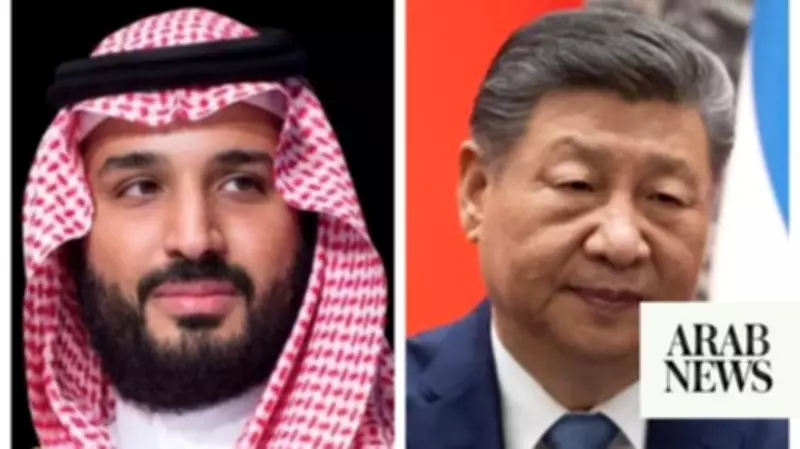
Saudi Arabia's Crown Prince Mohammed bin Salman and Chinese President Xi Jinping engaged in a significant phone discussion on Monday, centering on strategic bilateral relations and pressing regional security matters. The high-level dialogue underscored mutual efforts to reduce tensions across the Middle East while emphasizing the critical importance of maintaining open maritime passage through the Strait of Hormuz.
Focus on De-escalation and Maritime Security
According to an official statement released by the Saudi Press Agency (SPA), the leaders extensively reviewed initiatives aimed at lowering regional escalation and bolstering security and stability. Particular attention was paid to maritime security concerns and their profound economic repercussions for global trade routes.
The conversation highlighted collaborative approaches to address these challenges, with both nations expressing a shared commitment to fostering a more secure environment. The Strait of Hormuz, a vital chokepoint for international oil shipments, emerged as a central topic, given its strategic significance to energy markets and worldwide economic stability.

China's Stance on Conflict Resolution
China's state news agency, Xinhua, reported President Xi's detailed remarks during the call. Xi articulated China's firm advocacy for an immediate and comprehensive ceasefire in ongoing regional conflicts. He stressed the necessity of resolving Middle Eastern disputes exclusively through political and diplomatic channels, rejecting military solutions.
President Xi explicitly called for the preservation of normal ship passage through the Strait of Hormuz, describing it as essential for the collective interests of regional nations and the broader international community. This position aligns with China's broader foreign policy objectives of promoting stability and safeguarding crucial trade corridors.
Implications for Bilateral and Global Relations
The phone call signifies the deepening strategic partnership between Saudi Arabia and China, two major global powers with substantial economic and geopolitical influence. Discussions around the Strait of Hormuz reflect growing coordination on issues impacting global energy security and maritime trade.
By jointly addressing regional de-escalation and maritime access, the leaders are reinforcing their nations' roles as key stakeholders in Middle Eastern stability. This diplomatic engagement may pave the way for increased cooperation on security initiatives and economic projects, potentially influencing broader international efforts to mitigate tensions in the area.