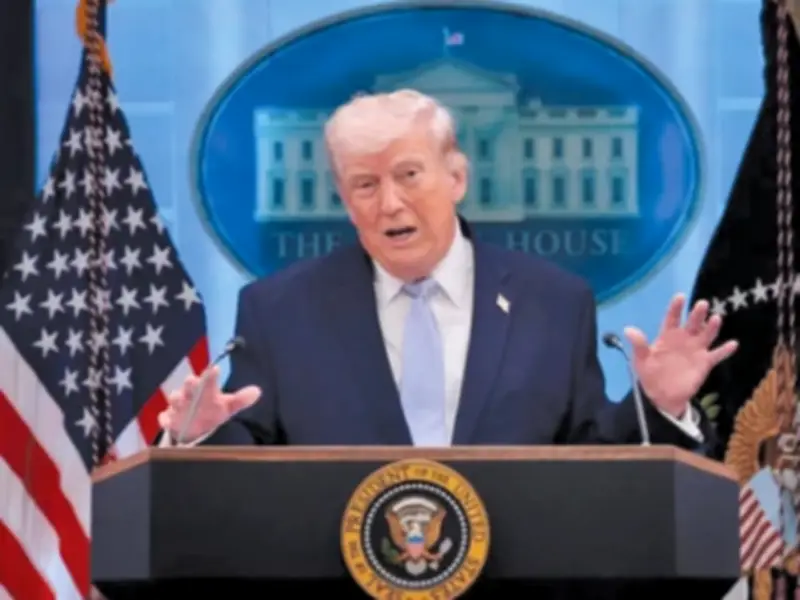
US President Donald Trump announced Saturday that a peace deal with Iran to end the ongoing war in the Middle East would be signed on Sunday, and that the strategic Strait of Hormuz would be opened to all shipping immediately after the signing. The announcement came despite earlier statements from Iranian officials suggesting a different timeline, though both sides and mediators expressed growing optimism that weeks of halting negotiations were nearing a conclusion.
Trump's Statement on Truth Social
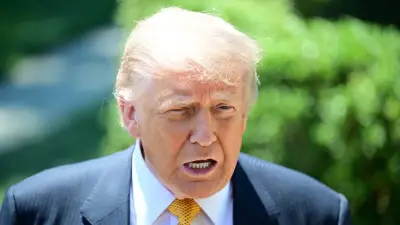
In a post on his Truth Social platform, Trump declared: "The Deal is scheduled to get signed tomorrow, and immediately after it is signed, the Hormuz Strait is OPEN TO ALL." He contrasted his agreement with the previous deal negotiated by former President Barack Obama, which he described as an "easy, beautiful, smooth road to a nuclear weapon." Trump asserted that his deal was the "exact opposite" and precluded Iran from obtaining a nuclear weapon. He added that Iran no longer wants a nuclear weapon and will not acquire one through purchase, development, or any other means.
Trump also emphasized that unlike the Obama administration, which made billions of dollars in payments to Iran, including $1.7 billion in cash, no money would change hands under his deal. He stated that at the appropriate time, the United States would retrieve the "nuclear dust" buried deep under sunken granite mountains, using B-2 bombers, and downblend and destroy it either in Iran or the United States. Trump expressed hope for a smooth process but warned of an "ultimate alternative" if the deal fails.

Iranian and Pakistani Reactions
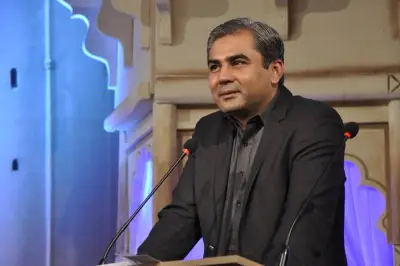
Earlier on Saturday, Iranian foreign ministry spokesman Esmaeil Baqaei said the signing date was not yet determined and would not be Sunday, though he acknowledged that a deal could be finalized in the coming days. Pakistani Prime Minister Shehbaz Sharif also expressed optimism, stating that a deal was closer "than ever before" and that Pakistan was preparing for the electronic signing of the peace deal, followed by technical-level talks next week. He thanked the US and Iran for their commitment and expressed confidence that the historic peace deal would form a strong foundation for lasting peace. Trump later shared the Pakistani prime minister's post on Truth Social.
Sticking Points: Strait of Hormuz and Nuclear Program
Despite the optimistic statements, conflicting information about the deal's contents has emerged, with each side seeking to show it gained the upper hand. Tehran has insisted on maintaining control over the Strait of Hormuz, a vital maritime route for oil and gas shipments. Iran has blockaded the strait since early in the war, demanding vessels obtain permission and pay tolls. The US responded with its own blockade of Iranian ports. On Saturday, the US military's Central Command reported that Iran had launched multiple one-way attack drones targeting commercial ships in the strait, all of which were downed by US forces.
Iranian negotiator Araghchi stated in an interview that the deal calls for lifting the US naval blockade, but that the administration of the Strait of Hormuz would no longer be the same as before, calling it one of Iran's "main instruments of deterrence." The US has repeatedly said Iran remaining in control of the strait is unacceptable, and Trump's post made no mention of tolls or other arrangements.
Another key issue is the fate of Iran's nuclear program, particularly its stockpile of highly enriched uranium, believed to have been buried by US strikes last year. Iran insists its nuclear program is peaceful, but the US and others suspect it of seeking a bomb. Araghchi said the only way to deal with the uranium is to dilute it inside Iran. Trump, however, said the US would remove and destroy the uranium. Israeli Prime Minister Benjamin Netanyahu said Trump had promised him any agreement would include the removal of the enriched nuclear material.
Skepticism in Tehran
On the streets of Tehran, there was skepticism that the deal would be finalized. Saeed Sadeghi, 49, said, "I don't think there is any deal soon. I don't trust their word." Another man from Tonekabon, who identified himself only as Ali, expressed pessimism, saying that regardless of the outcome, Iranians would suffer.