Trump's Controversial Statement on Iran's Leadership Succession
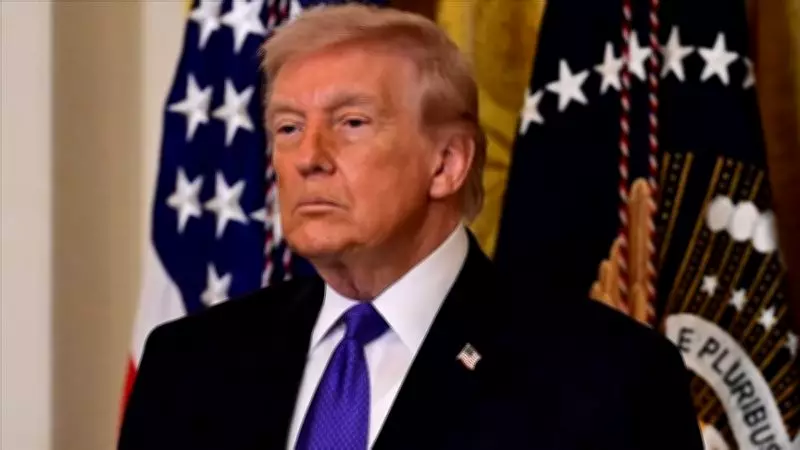
In a recent public address, former United States President Donald Trump made a bold and contentious declaration regarding Iran's political future. He asserted that the next Supreme Leader of Iran would require approval from the United States, a claim that has immediately sparked widespread debate and criticism. This statement, delivered with characteristic bluntness, touches on the sensitive dynamics of international sovereignty and diplomatic protocol.
Reactions from Iranian Officials and Global Community
Iranian officials have swiftly and vehemently rejected Trump's remarks, labeling them as an unacceptable interference in their nation's internal affairs. A spokesperson for the Iranian government emphasized that the selection of the Supreme Leader is a purely domestic process, governed by Iran's constitutional and religious frameworks, and does not involve any external validation. Meanwhile, international observers and political analysts have expressed concern, noting that such comments could further strain already tense US-Iran relations and complicate ongoing diplomatic efforts in the region.
Context and Implications for US-Iran Relations
This incident occurs against a backdrop of longstanding tensions between the United States and Iran, which have been exacerbated by previous administrations' policies, including Trump's own tenure. The statement raises questions about the future of bilateral engagements and potential impacts on regional stability. Experts suggest that while Trump's words may be seen as provocative, they also highlight the deep-seated challenges in achieving mutual understanding and respect between the two nations. The broader implications for Middle Eastern politics and global diplomacy remain a topic of intense scrutiny and discussion.