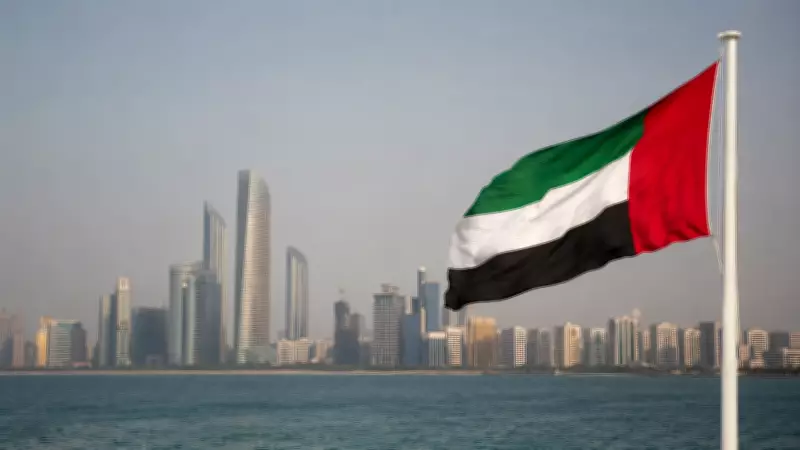
The United Arab Emirates is increasingly charting its own course in foreign policy, a drift that analysts warn is dangerously pulling it away from the collective stance of the Gulf Cooperation Council. This independent trajectory, characterized by bold economic and diplomatic moves, has raised concerns about the long-term cohesion of the Gulf bloc and the broader implications for regional stability.
Diverging Paths in Foreign Policy
Historically, the six-member GCC has presented a unified front on major regional issues, from security threats to economic integration. However, the UAE's recent actions, including its normalization of ties with Israel under the Abraham Accords and its assertive role in conflicts like Yemen and Libya, have set it apart from neighbors such as Saudi Arabia and Qatar. While Abu Dhabi frames these moves as pragmatic steps to secure its national interests, critics argue they undermine collective decision-making and create friction within the alliance.
Economic Ambitions vs. Collective Security
The UAE's economic ambitions, including its vision to become a global hub for finance, tourism, and technology, have also driven its independent stance. Its willingness to engage with Iran for trade despite ongoing tensions, and its pursuit of nuclear energy, have sparked debates about the balance between national development and regional security commitments. Some Gulf states view these initiatives as competitive rather than collaborative, potentially eroding trust.

Strategic Partnerships and Rivalries
Beyond the GCC, the UAE has forged strategic partnerships with non-Gulf powers, including Russia and China, while maintaining strong ties with the United States. This multi-alignment strategy, while diversifying its options, has at times conflicted with the interests of its GCC partners. For instance, its cooperation with Russia in OPEC+ has occasionally clashed with Saudi-led efforts to stabilize oil markets. Such divergences highlight the growing complexity of intra-Gulf relations.
Regional Implications
The UAE's drift has not gone unnoticed by its neighbors. Saudi Arabia, the GCC's de facto leader, has responded by reinforcing its own bilateral ties within the bloc and with external powers. Meanwhile, Qatar, which experienced a blockade led by Saudi Arabia and the UAE from 2017 to 2021, remains wary of Abu Dhabi's intentions. The resulting fragmentation weakens the GCC's ability to address common challenges, from the Iran nuclear deal to the war in Yemen.
Conclusion
As the UAE continues to pursue its national interests with increasing assertiveness, the risk of a permanent rift within the GCC grows. While diversification and pragmatism are understandable, the lack of coordination threatens the very foundation of Gulf unity. For the region to maintain stability, a recalibration of relationships and a renewed commitment to collective action may be necessary.