UN Relief Chief Issues Dire Warning Over Escalating Middle East Conflicts
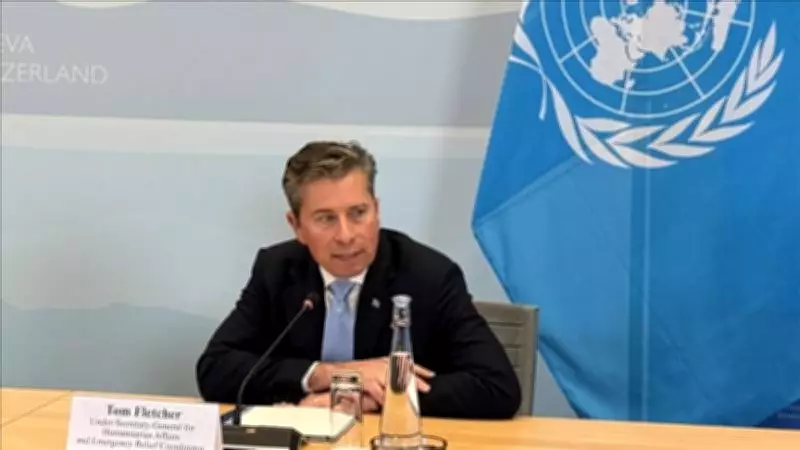
The United Nations relief chief, Tom Fletcher, delivered a stark warning on Wednesday, emphasizing that the rapidly escalating conflicts across the Middle East are creating an urgent humanitarian crisis. As the UN under-secretary-general for humanitarian affairs and emergency relief coordinator, Fletcher addressed reporters in Geneva, highlighting how violence is spreading beyond borders and intensifying the strain on an already overburdened aid system.
Grave Peril and Colliding Crises
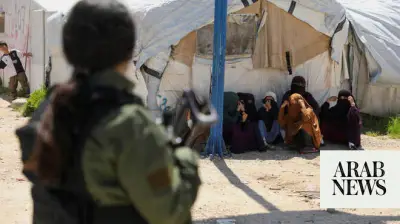
"We're living through a moment right now of grave peril across the Middle East," Fletcher stated. He elaborated that the region is witnessing crises escalate at an alarming rate, with conflicts increasingly colliding in dangerous and unpredictable ways. This escalation has led to severe consequences, including widespread displacement, economic shocks, and a surge in humanitarian needs. Fletcher pointed out that aid workers themselves are facing growing threats, with attacks becoming more frequent and severe.
Brutality and Indifference in Modern Warfare
Fletcher expressed deep concern over the current state of global affairs, noting, "The developments of the last two weeks are further confirmation that we're living in a time of brutality, impunity, and indifference." He warned that the international rules-based framework designed to curb the worst excesses of war is deteriorating. "Human ingenuity is being applied to find ever more sinister ways to kill at scale while civilians are subjected to ever more abject violence," he added, underscoring the dire situation for non-combatants caught in conflict zones.

Attacks on Humanitarian Workers
In a poignant moment, Fletcher highlighted the increasing dangers faced by humanitarian personnel. "Just today, three more of my humanitarian colleagues in Sudan, in the DRC (The Democratic Republic of the Congo), and in Lebanon have, I'm afraid, been killed," he revealed. This tragic news underscores the perilous environment in which aid operations are conducted, further complicating efforts to deliver essential support to those in need.
Call for Protection and Diplomatic Efforts
Fletcher urged the UN Security Council to prioritize the protection of civilians and humanitarian workers, calling for robust support to aid agencies to ensure they can reach vulnerable populations. "Civilians, all civilians, wherever they are in the region, must be protected," he asserted. Additionally, he appealed for renewed diplomatic initiatives to prevent further escalation, stating, "We need calmer heads to prevail. Peacemaking is hard, but it is always better, and takes more courage than the alternatives."
Critical Funding Gap Threatens Lives
The UN relief chief also addressed the financial challenges facing humanitarian efforts. He referenced a global humanitarian plan launched late last year, which seeks $23 billion to assist 87 million people in urgent need of life-saving support. To date, only $5 billion has been received, with total pledges reaching $8.7 billion, leaving a staggering gap of over $14 billion. Fletcher emphasized the urgency of closing this gap, warning, "Without additional support, millions of people will die."
Stark Contrast in Spending Priorities
Fletcher drew a sharp contrast between the costs of conflict and humanitarian needs, noting, "We still need over $14 billion now to deliver this plan, and this is at a time when conflict in the Middle East is costing a billion dollars a day." He expressed shame over this disparity, adding, "Listen to that number and feel the shame that I feel that we're spending a billion dollars a day on this war. Even just $1 billion would allow us to save millions of lives." He concluded by urging governments and public donors to accelerate funding to avert further catastrophe.