The United States and Iran conducted indirect technical talks in Doha on Wednesday, which US President Donald Trump described as “very good.” American and Iranian officials confirmed that participants agreed to establish a communication channel to ensure the terms of the memorandum of understanding (MOU) are met, despite ongoing disagreements over its implementation.
Partial Release of Frozen Funds Reported
According to Iran, the sides agreed on a partial release of billions of dollars of frozen Iranian funds. However, US officials reportedly denied that such an understanding was reached. The talks come two weeks after the US and Iran signed the MOU, which grants them 60 days to negotiate a final deal covering Iran’s nuclear program. Talks on that final deal have not yet begun, largely due to disputes over the Strait of Hormuz and Israel’s war with Hezbollah in Lebanon.
Qatar and Pakistan Mediate
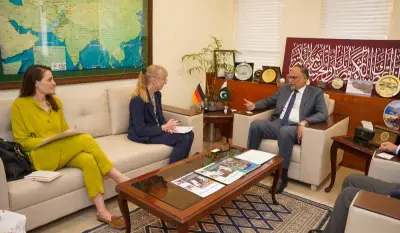
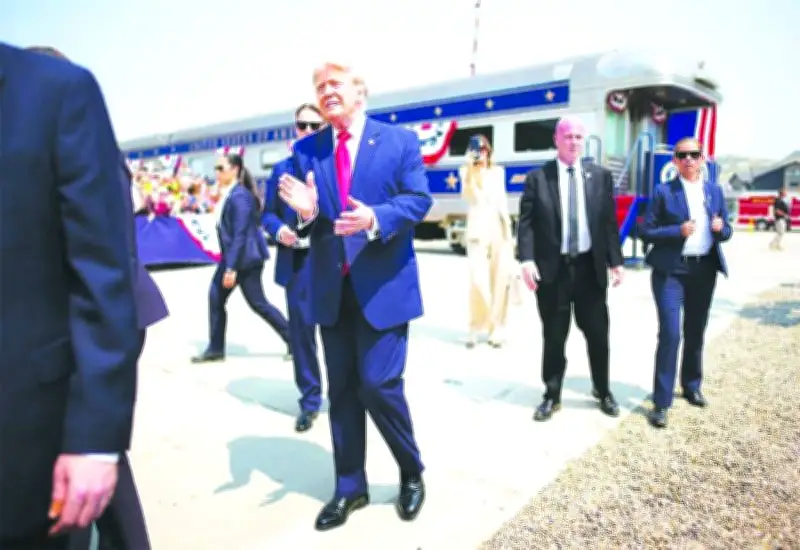
The indirect talks, mediated by Qatar and Pakistan, began on Tuesday night and continued Wednesday, according to an Iranian official. “They’ve had very good meetings, and we’ll see,” Trump told reporters before boarding the new, Qatari-gifted Air Force One. “The denuclearization of Iran is moving along well.” US envoy Steve Witkoff and President Donald Trump’s son-in-law Jared Kushner met with Qatari Emir Sheikh Tamim bin Hamad Al Thani in Doha, according to the emir’s office.

Meeting with Qatari Emir
In the meeting, they discussed the “progress of negotiations” between the US and Iran, as well as the current situation in Lebanon, a statement released by the emir’s office said. Al Thani reiterated Qatar’s commitment to mediating between the US and Iran, while Witkoff and Kushner underlined US support for the diplomatic process, the statement added. A senior US official said that Witkoff and Kushner “have both had very good conversations with regional leaders,” adding that technical talks are ongoing and “good progress continues to be made.”
Vance Claims Iran’s Nuclear Program Set Back
Addressing troops at a naval air base in Virginia, US Vice President JD Vance said Wednesday that Iran’s nuclear program has been set back decades thanks to American military strikes. “If you look at what our own intelligence says about their nuclear program, they are further away from developing a nuclear bomb than they have ever been since basically the last 20 or 30 years,” Vance said, stopping short of Trump’s claim that Iran’s nuclear program has been “totally obliterated.”
“What the president asks you to accomplish is to destroy the defense industrial base of that country, so that if they ever decided to rebuild their military, or if they ever decided to rebuild that nuclear program, they would be harmless to do it. You did that exactly as well,” Vance told the US troops. He claimed Trump is now “negotiating from a position of strength because of you.”
Iran Warns US to ‘Muzzle Its Pets in Tel Aviv’
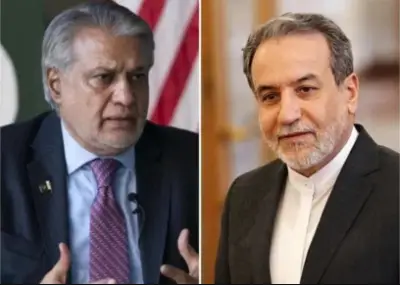
Iranian Foreign Minister Abbas Araghchi warned Wednesday that the US-Iran MOU obligates the US to “muzzle its pets in Tel Aviv” and prevent Israel from militarily threatening Iran, in response to remarks by Defense Minister Israel Katz. “The terms of the Islamabad MoU are crystal clear and public for all to see. POTUS has committed the US to muzzling its pets in Tel Aviv,” Araghchi wrote on X. “If they ignore their master, Iran will school them. Any threat against our People and Leadership will receive Immediate Powerful Response.”
Strait of Hormuz Dispute
Two Iranian sources said Tehran was determined to win international recognition of its control over the Strait of Hormuz and ability to levy fees on ships entering or leaving the Gulf, even if by force. Under the interim deal, Iran agreed to let ships pass through the Strait for 60 days without charge. But it believes the wording allows it to keep control of which ships may pass and which route they take. US Central Command announced that Admiral Brad Cooper, CENTCOM commander, and senior military officials from 11 regional countries discussed “the current regional security environment” and underscored their “shared commitment to the free flow of commerce through the Strait of Hormuz.”