US Delegation Delay Casts Shadow Over Critical Iran-Pakistan Peace Negotiations
In a development that underscores the fragile state of Middle Eastern diplomacy, United States Vice President JD Vance has not yet departed for Pakistan, where a second round of crucial negotiations with Iran is anticipated. According to sources familiar with the matter who spoke to Reuters, Vance remains in the United States as the timeline for these high-stakes talks remains uncertain.
Ceasefire Clock Ticks Amid Diplomatic Uncertainty
The urgency of the situation is heightened by an impending deadline. A two-week ceasefire between the US and Iran, announced by President Donald Trump on April 7, is set to expire imminently. A Pakistani source involved in the discussions indicated the ceasefire would lapse at 8 pm EST on Tuesday, which translates to midnight GMT or 3:30 am Wednesday in Iran. When questioned over the weekend about a potential extension, President Trump offered a non-committal response, stating, "I don't know. Maybe not. Maybe I won't extend it. But the blockade is going to remain."
This statement directly references a major point of contention: the ongoing US naval blockade of Iranian ports. Iran, in a retaliatory move, has lifted and then reimposed its own blockade of the strategically vital Strait of Hormuz, a chokepoint for approximately one-fifth of the world's oil and liquefied natural gas supply. The resulting tension has brought maritime traffic through the strait to a virtual standstill, with shipping data showing only three crossings in a recent 12-hour period.

Iran's Participation Hangs in the Balance
While the US delegation's travel plans are delayed, Iran's attendance at the proposed Pakistan-hosted talks is also not guaranteed. A senior Iranian official confirmed to Reuters that Tehran is "positively reviewing" its participation, marking a notable shift from earlier statements that ruled out attendance and promised retaliation for US aggression. However, the official stressed that no final decision has been made.
The key condition for Iran's involvement appears to be the lifting of the US port blockade. The Iranian official acknowledged that mediator Pakistan is making "positive efforts" to end the blockade and facilitate Iran's participation. This diplomatic hurdle was exacerbated recently when the US seized an Iranian cargo ship attempting to breach the blockade, leading Tehran to vow retaliation and putting the ceasefire in serious jeopardy.
Stark Differences in Negotiating Positions
Even if the talks proceed, significant obstacles remain on the negotiating table. Iranian Foreign Ministry spokesman Esmaeil Baghaei accused Washington of showing it was "not serious" about the diplomatic process and of "insisting on some unreasonable and unrealistic positions." In a firm declaration of Tehran's red lines, a senior Iranian source told Reuters that the country's "defensive capabilities," explicitly including its missile program, are not open for negotiation.
On the American side, President Trump has publicly stated his intention to send a delegation to Pakistan for additional talks before the ceasefire expires. Initial reports from The New York Post suggested the delegation would include Vice President Vance, White House envoy Steve Witkoff, and Trump's son-in-law Jared Kushner, all of whom participated in the first round of talks. These negotiations were initiated following US-Israeli attacks on Iran that began on February 28.
Regional and Global Repercussions
The uncertainty surrounding the talks and the fragile ceasefire has sent ripples through global markets. Oil prices, after spiking earlier, settled at a level 3-4% higher for the day as traders expressed fear over the potential collapse of the truce. The situation remains a critical test for Pakistan's role as a regional mediator, balancing its relationships with both the United States and Iran while attempting to broker a peace that could stabilize a volatile region.
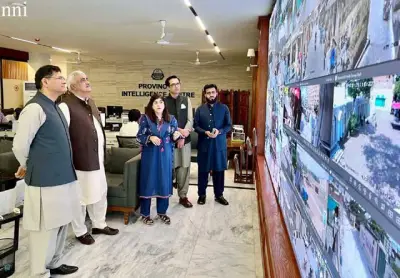
As security preparations continue in Islamabad in anticipation of the talks, the world watches to see if the key players will arrive at the table in time to prevent a renewed escalation of hostilities.