The Punjab chapter of the Tehreek-e-Tahafuz-e-Ayin-e-Pakistan (TTAP) on Tuesday announced plans to hold a series of workers’ conventions across Lahore and begin consultations on a joint opposition strategy for the upcoming local government elections. The alliance also expressed concern over what it described as curbs on political freedoms and democratic rights.
Meeting Decisions and Attendees
The decisions were taken at a meeting of TTAP Punjab held in Lahore to review the prevailing political situation in the province and discuss the alliance’s organisational priorities for the coming weeks. The meeting was attended by Ammar Jan and Haider Butt of the Haqooq-e-Khalq Party (HKP), Mian Akram Usman, Shayan Bashir and Yasir Gillani of Pakistan Tehreek-e-Insaf (PTI), and Farooq Tariq of HKP.
Criticism of Restrictions on Political Activities
The participants criticised the reported denial of permission to Mahmood Khan to travel to Kashmir, describing it as a continuation of what they termed restrictions on the political activities of opposition leaders. They said such actions could further widen the trust deficit between the state and the opposition.

Supreme Court Ruling and Habitual Offenders Bill
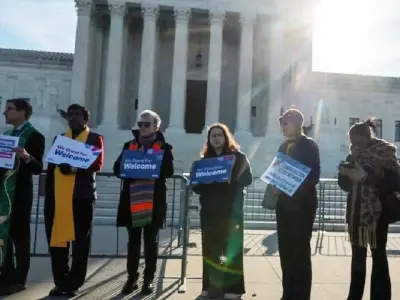
The meeting also criticised the recent Supreme Court ruling on PTI’s election symbol, with participants arguing that the decision would adversely affect the principle of a level electoral playing field and fair political representation. The alliance also opposed the Punjab Control of Habitual Offenders Bill, describing the proposed legislation as a threat to freedom of expression and democratic rights. Participants alleged that the law, in its present form, could be used to curb dissent and political activity under the guise of maintaining public order.
Organisational Plans for Local Government Elections
On organisational matters, the meeting decided to launch a series of Workers’ Conventions across Lahore to strengthen grassroots mobilisation and improve coordination among workers ahead of the local government elections. Participants also agreed to initiate consultations on a joint opposition strategy for the local government polls, focusing on seat adjustments and coordinated electoral planning among allied parties to minimise vote splitting.