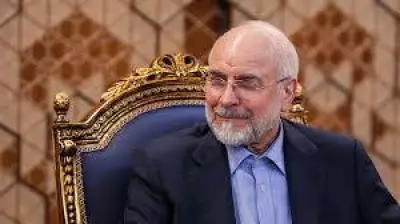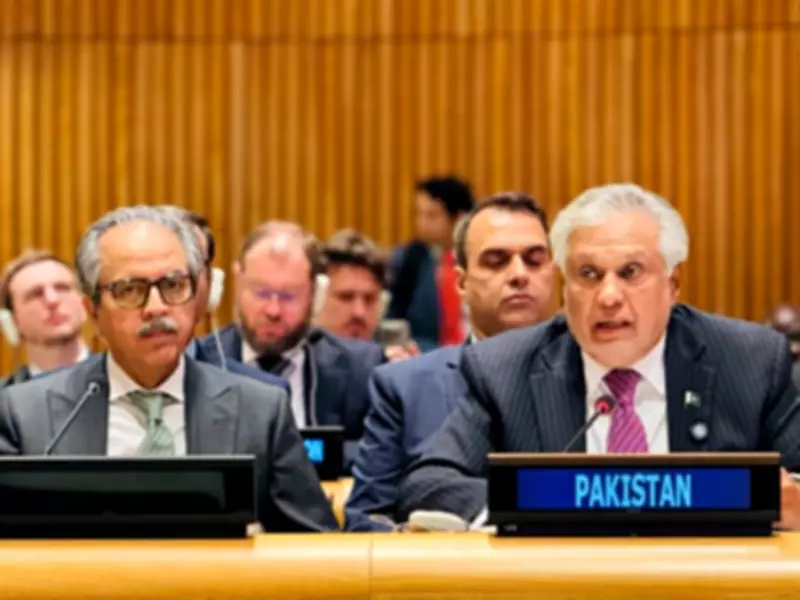
Deputy Prime Minister and Foreign Minister Ishaq Dar has called for a more democratic and representative United Nations Security Council (UNSC), emphasizing the need for reforms to address contemporary global challenges. Speaking at a high-level UN meeting, Dar criticized the current structure of the Security Council as outdated and unrepresentative of the modern world, particularly highlighting the lack of representation for developing countries.
Outdated Structure Hinders Global Problem-Solving
Dar argued that the UNSC's composition, which gives veto power to five permanent members, hampers effective decision-making on pressing issues such as climate change, pandemics, and armed conflicts. He stressed that the council's inability to adapt has undermined its credibility and effectiveness. The deputy PM noted that while the world has changed dramatically since 1945, the Security Council's structure has remained largely static, failing to reflect the geopolitical realities of the 21st century.
Pakistan's Stance on UN Reforms
Pakistan has consistently advocated for expanding the Security Council to include more non-permanent members from Africa, Asia, and Latin America. Dar reiterated Pakistan's position that any reform must address the underrepresentation of developing nations and ensure equitable regional representation. He also called for limiting the use of the veto, particularly in cases involving mass atrocities, to prevent paralysis in the council's response to humanitarian crises.

Global Crises Demand Collective Action
The deputy PM highlighted several ongoing global crises, including the wars in Ukraine and Gaza, as examples of the Security Council's failure to maintain international peace and security. He urged member states to work together to overcome political differences and prioritize human welfare. Dar emphasized that the UN must evolve to meet the challenges of the modern era, and that meaningful reform is essential for the organization's continued relevance.
Support from Developing Nations
Dar's remarks received support from several developing countries, which echoed the need for a more inclusive Security Council. Many delegates expressed frustration with the current system, which they believe perpetuates inequality and undermines the principle of sovereign equality among nations. The call for reform is expected to gain momentum as the UN approaches its 80th anniversary in 2025.
Conclusion
In conclusion, Dar's speech underscored Pakistan's commitment to multilateralism and its vision for a more just and effective UN. He called on all member states to engage in constructive dialogue to achieve concrete reforms, warning that failure to act could further erode trust in the international system.