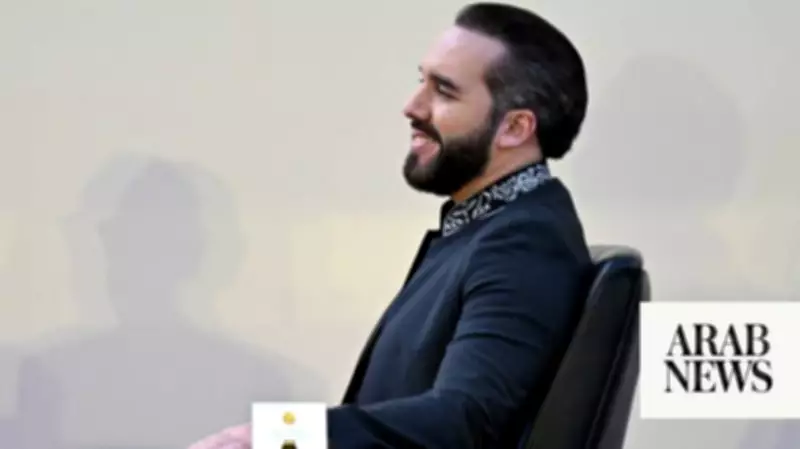
El Salvador's Congress approved changes on Wednesday to the process of selecting the country's top electoral officials, less than a year before a presidential election in which President Nayib Bukele is expected to seek an unprecedented third term.
Legislative Vote
The amendment was backed by 57 out of 60 lawmakers in the Legislative Assembly, which is dominated by Bukele's ruling party. The new rules stipulate that the five magistrates of the Supreme Electoral Court will be chosen directly by the Legislative Assembly, replacing a previous system where three magistrates were nominated by the parties with the most votes in the last election and two by the Supreme Court of Justice.
Government Justification
Legislative Assembly President Ernesto Castro stated on social media: "No more party quotas. No more personal agendas or interests in the highest electoral authority." The government argues the change aims to eliminate partisan influence and ensure impartiality.

Opposition Criticism
However, the non-governmental organization Accion Ciudadana condemned the reform, saying it was "designed so that the ruling party can fully control the electoral body." Opposition groups describe Bukele's tenure as a "dictatorship" due to his near-total control over state institutions.
Context of Term Limits
Bukele, who has been president since 2019 and won re-election in 2024 with 85% of the vote, has overseen multiple constitutional changes since taking office. Last year, the constitution was amended to abolish presidential term limits, clearing the path for the 44-year-old leader to run again in the elections scheduled for February 2027.
The five current magistrates of the Supreme Electoral Court were appointed in 2024 for a five-year term and are expected to oversee next year's general elections. The reform has raised concerns among critics about the independence of the electoral process.