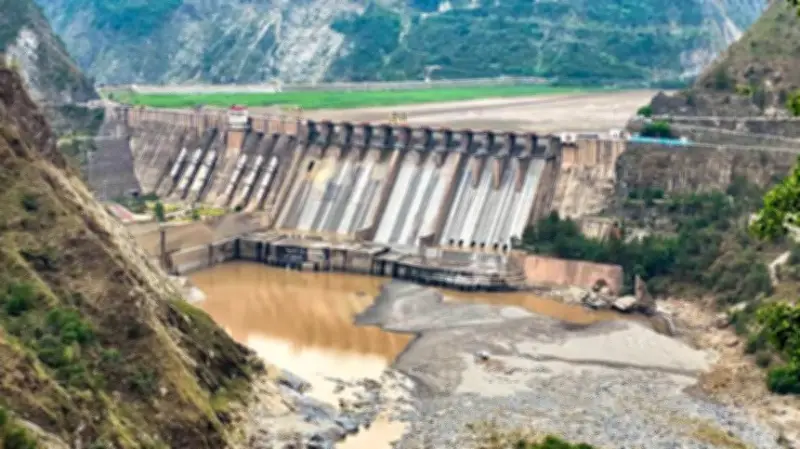
French newspaper Le Monde has described the growing dispute over the Indus Waters Treaty as a dangerous turning point for water security in South Asia, warning that tensions between India and Pakistan could have wider regional consequences. According to the report, India allegedly used water as a tool of political pressure following the Pahalgam incident in April 2025. The newspaper stressed that the Indus Waters Treaty cannot be suspended unilaterally and that any amendments to the agreement require mutual consent from both countries.
Legal and Hydrological Concerns
Le Monde noted that the Permanent Court of Arbitration has maintained that the treaty remains in force. It further stated that India’s reported failure to share hydrological data has complicated Pakistan’s ability to issue timely flood warnings and manage water-related risks. The report highlighted the impact on Pakistan’s Punjab province, where farmers have reportedly suffered losses due to sudden flooding, crop damage and sediment deposits on agricultural land. Families living along the Chenab River were said to have lost livestock, crops and household belongings.
Pakistan’s Stance and Agriculture Dependence
It also reflected Pakistan’s position that any attempt to block or divert water would be considered a serious provocation. The report cited statements from Indian leadership and noted Pakistan’s description of such threats as “water terrorism.” According to Le Monde, Pakistan’s concerns extend beyond politics and are closely linked to agriculture, food security and human survival. It noted that more than 80 per cent of Pakistan’s agriculture depends on the Indus River system, making it vital to the country’s economy.

Regional and Global Implications
The newspaper further observed that India itself faces upstream water concerns involving China and experiences similar anxieties over the Brahmaputra River, which mirror Pakistan’s concerns over the Indus basin. Le Monde concluded that the dispute has evolved from a bilateral issue into a broader regional security and environmental challenge. It warned that climate change, glacier melt and rising population pressures are intensifying water stress across South Asia. The publication also emphasized the importance of transparent water data sharing to protect human lives, cautioning that unilateral actions could set a dangerous precedent for international river governance and downstream rights.