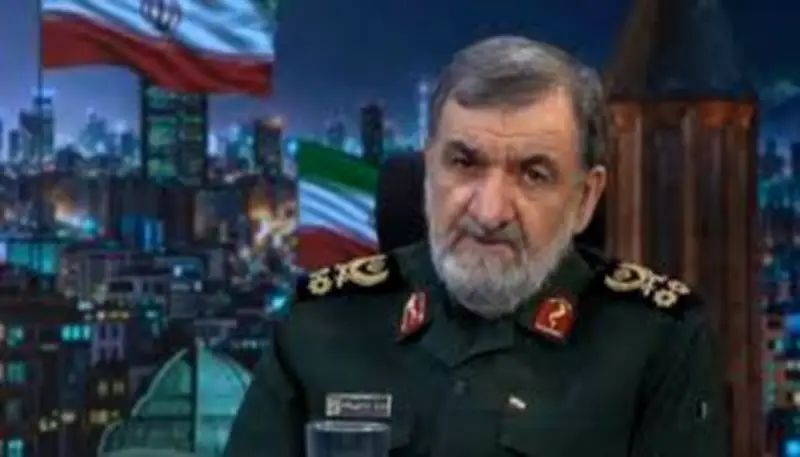
Mohsen Rezaei, a military adviser to Iran's supreme leader, has stated that a potential agreement between Washington and Tehran depends on the Trump administration releasing $24 billion in frozen Iranian assets. In an exclusive interview with CNN, Rezaei emphasized that the negotiations are at a standstill and that President Donald Trump must take the initiative to break the deadlock.
Key Demands and Trust-Building
Rezaei framed the demand as a test of trust, asserting that releasing the funds would open a new horizon for future relations between Iran and the United States. He stressed that the money belongs to Iran and is not a concession from America. Iran has reportedly requested an initial release of $12 billion upon signing an interim agreement, with the remaining $12 billion to follow later.
However, US officials are cautious, fearing that unfreezing the funds could remove a key leverage point over Iran. Rezaei warned that if the US resumes conflict, Iran would expand military operations beyond the Persian Gulf to the Indian Ocean, the Bab al-Mandab Strait, the Red Sea, and the Mediterranean Sea.

Military Tensions and Denials
The US military has denied Iranian claims that its navy fired warning shots near two US destroyers in the Gulf of Oman. US Central Command stated that Iranian forces did not attack or fire at US Navy warships, calling any such action a gross violation of the ceasefire. CENTCOM added that US forces continue to operate freely in regional waters while enforcing the blockade against Iran.
Iran's navy had earlier claimed it launched warning missiles and a new attack drone, prompting the US vessels to leave the Gulf of Oman. The Iranian statement did not specify when the incident occurred but warned that longer-range missiles would be used if necessary. The US maintains a significant naval presence in the Gulf of Oman to prevent shipping from using Iranian ports.