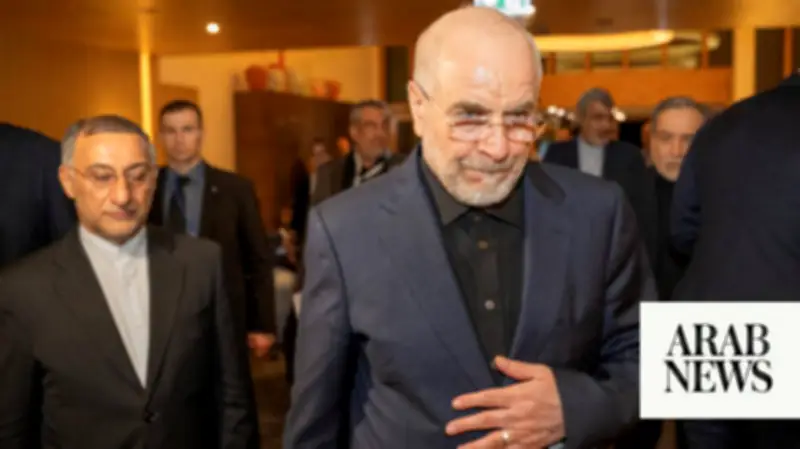
Iran’s parliamentary speaker, Mohammad Baqer Ghalibaf, declared on Wednesday that only regional countries should determine the Middle East’s political and security order, firmly rejecting external involvement and urging broader intra-regional cooperation. His remarks came during a meeting of the Parliamentary Union of the Organization of Islamic Cooperation (PUIC) in Baku, the capital of Azerbaijan, as Iran and the United States continue efforts to finalize a lasting peace agreement.
Ghalibaf’s Stance at PUIC Meeting
Speaking at the PUIC gathering, Ghalibaf emphasized that the security and political future of the Middle East must be shaped exclusively by nations within the region. “Only the countries of the region should decide the political and security order of the Middle East,” he stated, according to comments broadcast on Iranian state television. He called for expanded cooperation among regional states to address common challenges, dismissing any form of external interference as counterproductive.
Context of Iran-US Peace Negotiations
Ghalibaf’s comments come at a sensitive time, as Iran and the United States are engaged in negotiations to reach a lasting peace agreement. While details of the talks remain under wraps, the speaker’s remarks underscore Tehran’s insistence on regional autonomy in security matters. The PUIC meeting provided a platform for Ghalibaf to reiterate Iran’s long-standing position that outside powers, particularly the US, should not dictate the region’s security architecture.

Reaction and Implications
The speech aligns with Iran’s broader foreign policy doctrine, which prioritizes regional solutions and opposes foreign military presence in the Middle East. Analysts suggest that Ghalibaf’s call for intra-regional cooperation may resonate with some OIC member states that share similar concerns about external intervention. However, the success of such a vision depends on overcoming deep-seated rivalries within the region, including tensions between Iran and Gulf Arab states.
The Iranian parliament speaker’s remarks were met with attention at the Baku conference, where delegates discussed issues ranging from Palestine to Islamophobia. No immediate response from the US or other Western powers was reported. As Iran and the US continue their diplomatic efforts, Ghalibaf’s statement serves as a reminder of the fundamental differences that persist over the role of external actors in Middle Eastern affairs.