Iranian President Masoud Pezeshkian's arrival in Pakistan marks an important moment in the evolving relationship between the two neighbours. The timing of the move in context to the negotiation process is a sign that Islamabad and Tehran are prepared to take their historic ties into a more strategic phase. At a time when the region has been shaken by the Gaza genocide, the war against Iran, and the threat of wider instability, such clarity is both timely and necessary.
Warmth and Brotherhood at the Meeting
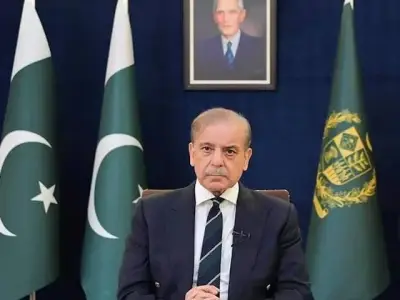
The warmth of the visit was unmistakable. Prime Minister Shehbaz Sharif described his meeting with President Pezeshkian as being “like a family reunion”, saying the two sides spoke with clarity and commitment to strengthen brotherly relations “like never before”. He also reminded the Iranian leader that Pakistan and Iran had stood by one another in difficult times, adding that Iran’s happiness was Pakistan’s happiness and Iran’s sorrow was Pakistan’s sorrow.
Iranian President's Reciprocal Gesture
President Pezeshkian’s response carried equal significance. He said Pakistan was not merely a neighbouring country, but a brotherly and friendly country with deep historical, cultural, religious and popular bonds. His acknowledgement that Iran’s acceptance of Pakistan’s initiative reflected an “age-old trust” should not be treated as routine diplomatic courtesy. That trust has been built despite deliberate provocations by Trump and Israel.

Strategic Clarity Amid Regional Turmoil
Despite repeated attempts to turn conflict into a permanent regional condition, Pakistan and Iran have worked towards peace with seriousness and restraint. Their position is not one of weakness, but of strategic clarity: the region cannot survive endless war, and Muslim nations cannot remain divided while Israeli aggression continues unchecked. The Gaza genocide and the aggression against Iran have accelerated the convergence of foreign policy interests between Pakistan and Iran.
Path Forward: Trade, Energy, and Security
Diplomacy must now be followed by deeper alignment in trade, energy, border security, regional connectivity and political coordination. This visit should be remembered as the beginning of a firmer strategic embrace. According to observers, the two countries are expected to sign several memorandums of understanding in the coming months to bolster economic and security cooperation.